Understanding the Chinese Zodiac: A Complete Guide
By Aisha Rahman · Reviewed by the MyZodiacSigns editorial team
The Chinese zodiac (shēngxiào, 生肖) is one of the world's most enduring and culturally significant astrological systems. Unlike the Western zodiac, which cycles through 12 signs every year based on birth month, the Chinese zodiac assigns one of 12 animal signs based on your birth year, cycling through all 12 over a 12-year period. But the system goes far deeper than most people realize — layering Five Elements, Yin-Yang polarity, and intricate compatibility calculations onto each animal to produce a rich, nuanced personality profile.
The 12 Animal Signs
According to myth, the Jade Emperor summoned all animals to a great race across a river. The order in which they arrived determined their place in the zodiac cycle. Here are the 12 animals in order:
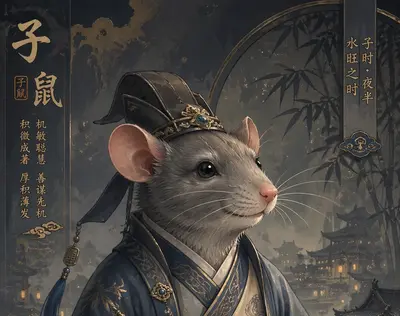
Rat
Clever, resourceful, quick-witted
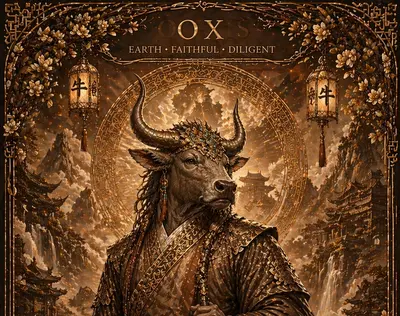
Ox
Diligent, reliable, strong
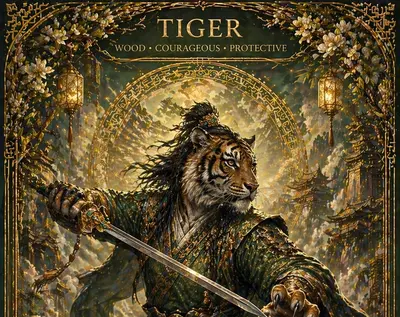
Tiger
Brave, competitive, confident

Rabbit
Gentle, elegant, compassionate
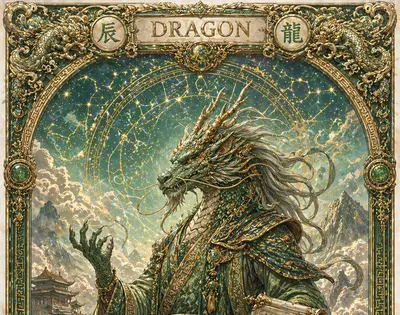
Dragon
Ambitious, energetic, charismatic

Snake
Wise, enigmatic, intuitive
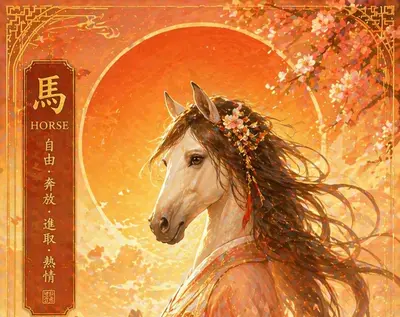
Horse
Energetic, free-spirited, warm
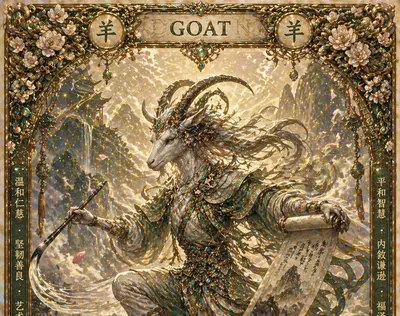
Goat
Calm, gentle, creative
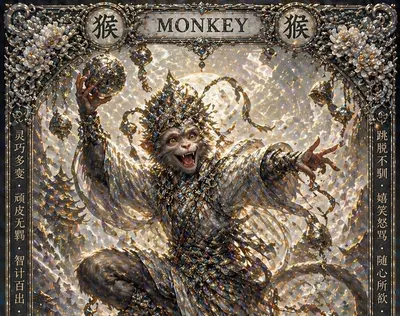
Monkey
Witty, playful, intelligent
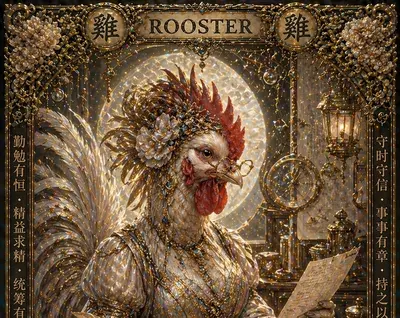
Rooster
Honest, hardworking, courageous
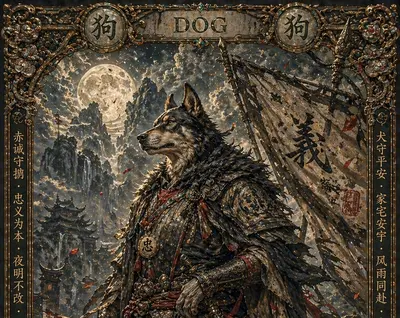
Dog
Loyal, honest, prudent
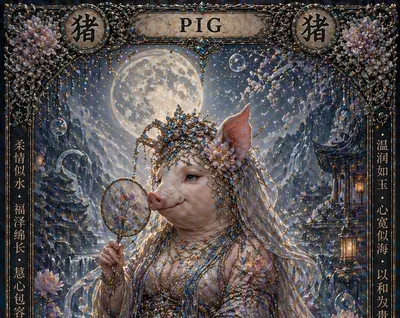
Pig
Generous, compassionate, diligent
Each animal carries a distinct set of personality traits, strengths, and weaknesses. But the animal alone is only the first layer — the Five Elements and Yin-Yang polarity combine with your animal sign to create 60 unique combinations in a grand cycle that takes 60 years to complete.
The Five Elements (Wǔ Xíng)
Chinese philosophy recognizes five fundamental elements — Wood, Fire, Earth, Metal, and Water— that cycle through the zodiac in two-year intervals. Your element modifies your animal sign's base personality:
- Wood (木) — growth, flexibility, generosity. Wood signs are creative and empathetic, with a strong sense of ethics.
- Fire (火) — passion, dynamism, aggression. Fire signs are natural leaders with magnetic charisma but can be impulsive.
- Earth (土) — stability, patience, practicality. Earth signs are grounded, reliable, and thrive in structured environments.
- Metal (金) — determination, rigidity, ambition. Metal signs are disciplined and goal-oriented but can be inflexible.
- Water (水) — wisdom, adaptability, intuition. Water signs are perceptive and communicative, with deep emotional intelligence.
A Water Dragon (2012) and a Fire Dragon (1976) share the Dragon's ambition and charisma but express it very differently — the Water Dragon through diplomacy and collaboration, the Fire Dragon through bold, direct action.
Yin and Yang Polarity
Each animal is assigned a fixed Yin or Yang polarity that never changes:
- Yang animals (active, outward): Rat, Tiger, Dragon, Horse, Monkey, Dog
- Yin animals (receptive, inward): Ox, Rabbit, Snake, Goat, Rooster, Pig
Yang signs tend to be extroverted, action-oriented, and assertive. Yin signs are more introspective, deliberate, and emotionally attuned. In compatibility analysis, the interplay of Yin and Yang between partners is as important as the animal match.
Compatibility: The Four Trines and Six Clashes
Chinese zodiac compatibility is structured around four trines (groups of three harmonious animals) and six clashes (pairs that naturally conflict):
- First Trine — Rat, Dragon, Monkey: action-oriented achievers
- Second Trine — Ox, Snake, Rooster: dutiful, methodical workers
- Third Trine — Tiger, Horse, Dog: idealistic freedom-seekers
- Fourth Trine — Rabbit, Goat, Pig: artistic, peace-loving diplomats
Animals within the same trine are considered naturally compatible. The six clashes pair animals that are diametrically opposite on the zodiac wheel: Rat–Horse, Ox–Goat, Tiger–Monkey, Rabbit–Rooster, Dragon–Dog, and Snake–Pig. While a clash doesn't doom a relationship, it indicates fundamental differences in temperament that require conscious effort to bridge.
The Lunar Calendar and Chinese New Year
A critical detail that many people overlook: the Chinese zodiac follows the lunisolar calendar, not the Gregorian calendar. Chinese New Year falls between January 21 and February 20 each year. If you were born in January or early February, your Chinese zodiac animal may belong to the previousyear. For example, someone born on February 1, 2000 might assume they're a Dragon (2000), but Chinese New Year in 2000 didn't begin until February 5 — making them a Rabbit (1999).
Our zodiac calculator handles this automatically, using the exact Chinese New Year date for every year going back centuries.
Cultural Significance Today
The Chinese zodiac remains deeply woven into the fabric of daily life across East and Southeast Asia. In China, birth rates spike during Dragon years because the Dragon is associated with imperial power, success, and good fortune. Businesses time their launches, weddings are scheduled, and even baby names are chosen with zodiac compatibility in mind.
The Japanese zodiac (Jūnishi) shares the same 12 animals but assigns them by birth month rather than birth year — creating a fascinating variant of the same tradition. You can explore the Japanese zodiac and Chinese zodiac on our site to compare how the same animal archetypes manifest in two different cultures.
Find Your Chinese Zodiac Sign
Ready to discover your animal sign, element, and Yin-Yang polarity? Enter your birthday on our homepage to get your full Chinese zodiac profile instantly — along with your signs in nine other traditions.
Sources & Further Reading
- Theodora Lau, The Handbook of Chinese Horoscopes.
- Encyclopædia Britannica entries on the Chinese zodiac and Chinese calendar.
- MyZodiacSigns editorial standards & full source list.