The Mayan zodiac is based on the Tzolk'in, one of the most sophisticated calendar systems ever devised. The Tzolk'in is a 260-day sacred calendar formed by interlocking two smaller cycles: 20 named day-signs (nahuales) and 13 numbered tones. The combination produces 260 unique day-sign/tone pairings before the cycle repeats, a number believed to correspond to the human gestation period and the agricultural cycle of the Maya highlands.
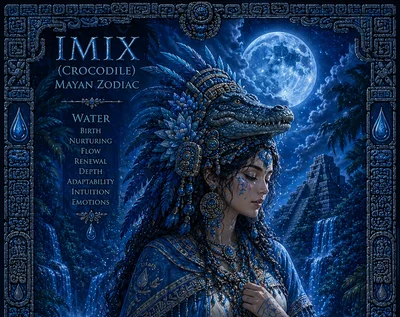
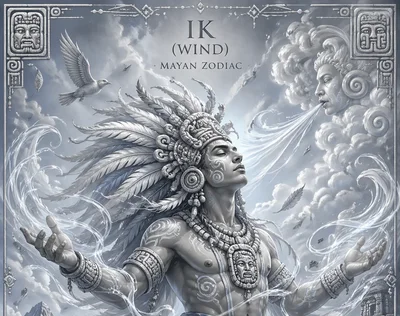
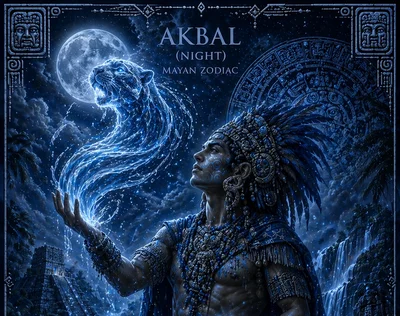
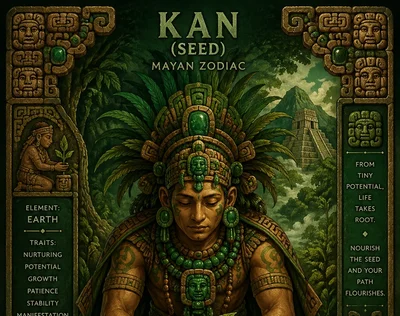
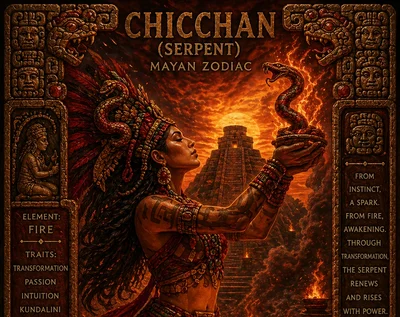
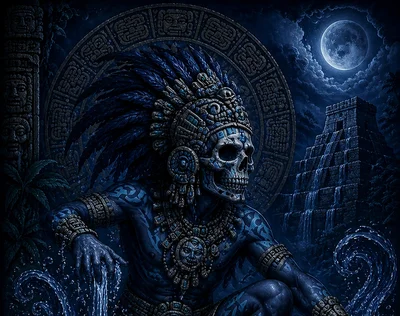
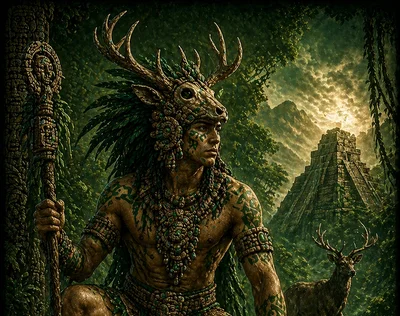
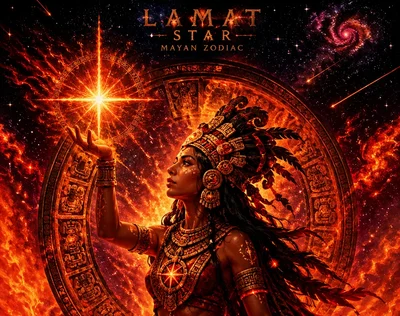
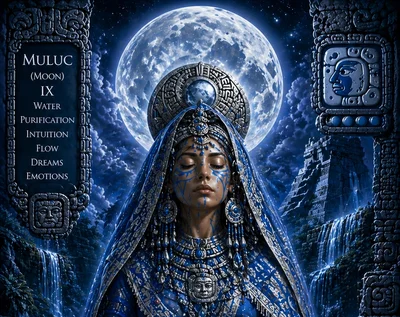
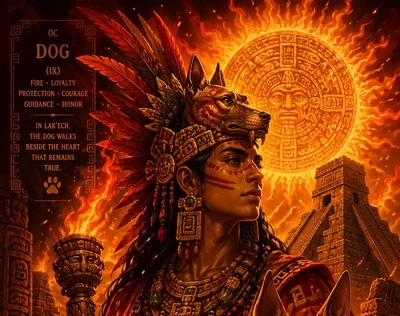
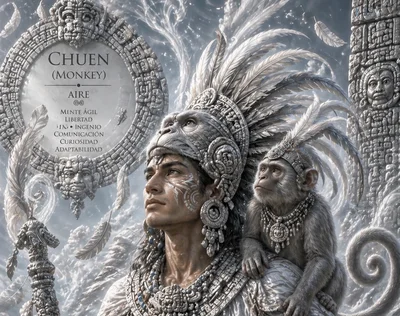
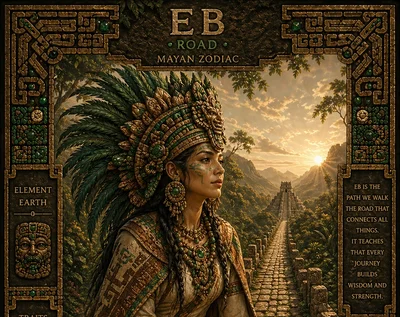
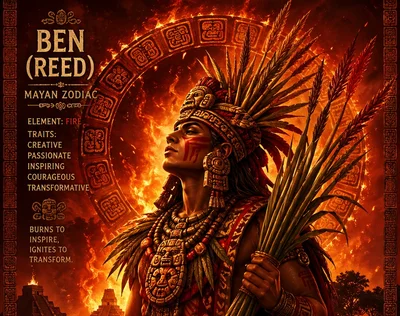
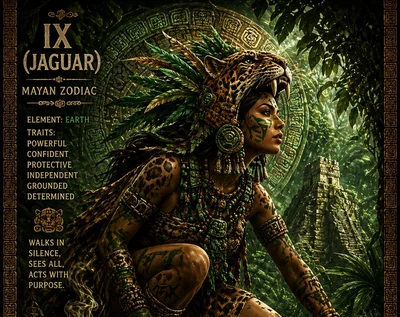
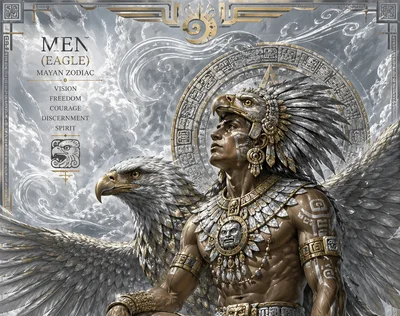
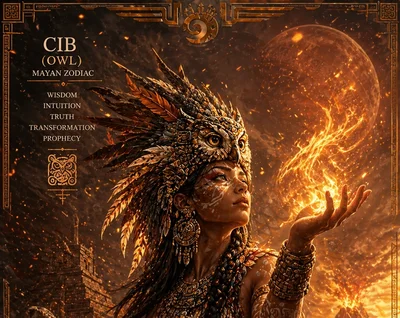
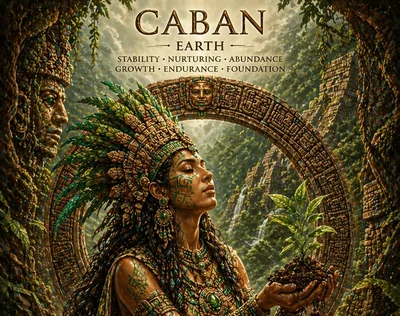
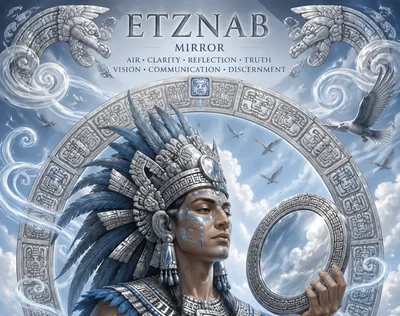
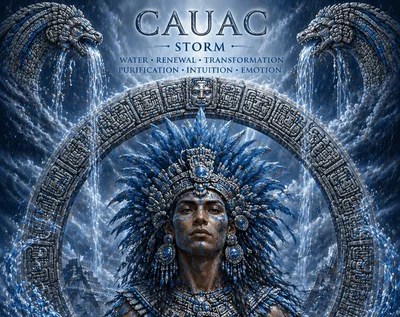
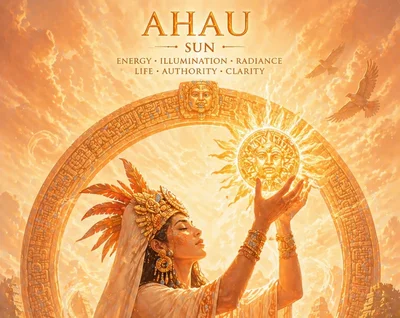
The 20 day-signs include cosmic forces and sacred animals: Imix (Crocodile / Primal Waters), Ik' (Wind / Spirit), Ak'bal (Night / Jaguar), K'an (Seed / Corn), Chicchan (Serpent), Cimi (Death), Manik (Deer), Lamat (Star / Venus), Muluc (Water / Offering), Oc (Dog), Chuen (Monkey / Craftsman), Eb (Road / Grass), Ben (Reed / Maize Stalk), Ix (Jaguar / Shaman), Men (Eagle / Moon Goddess), Cib (Warrior / Owl), Caban (Earth / Movement), Etznab (Flint / Mirror), Cauac (Storm / Rain), and Ahau (Sun / Flower).
The Tzolk'in was central to Mayan civilization, used by priests (daykeepers) to determine auspicious dates for planting, rituals, births, and battles. In many Guatemalan indigenous communities, the Tzolk'in is still actively observed today, making it one of the few ancient calendar systems that has never been interrupted.