🐉
Chinese Zodiac
Ancient China • 12 signs
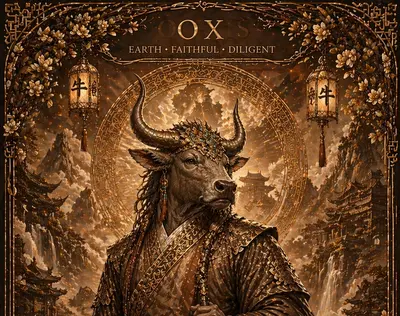
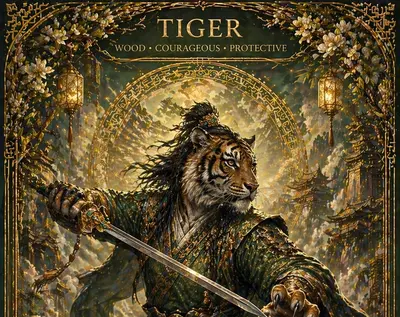
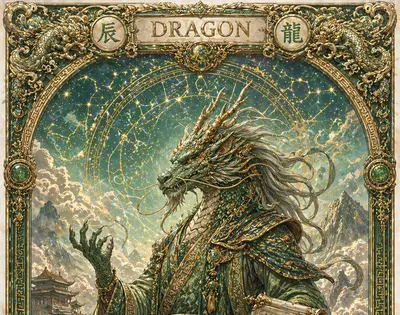
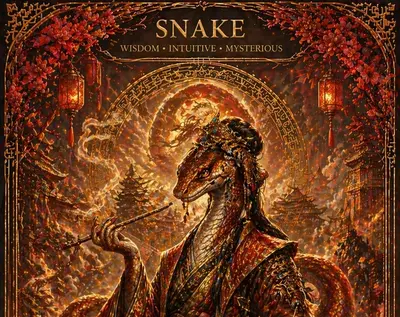
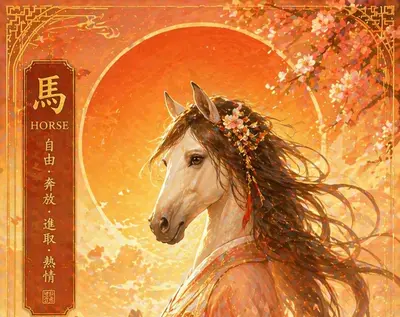
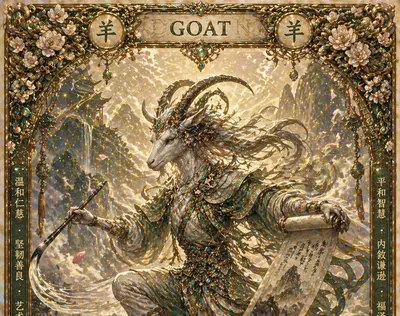
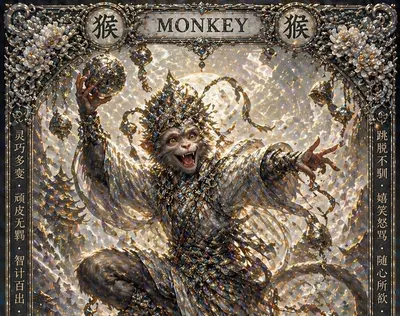
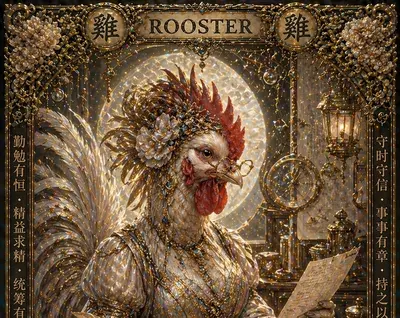
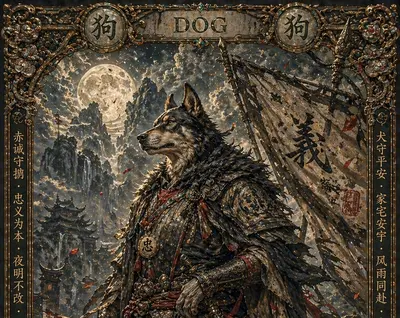
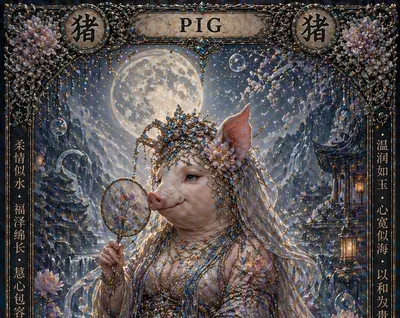
The Chinese Zodiac is a 12-year cycle where each year is represented by an animal sign — Rat, Ox, Tiger, Rabbit, Dragon, Snake, Horse, Goat, Monkey, Rooster, Dog, and Pig. Originating over 2,000 years ago, this system is deeply woven into Chinese philosophy, intertwining with the Five Elements (Wood, Fire, Earth, Metal, Water) and the principles of Yin and Yang. Each animal carries distinct personality traits, and the combination of animal and element creates a 60-year grand cycle that shapes destiny, relationships, and fortune.
Make a selection to view signs
Year
2026 element: Fire