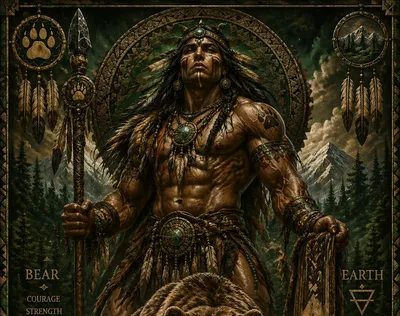
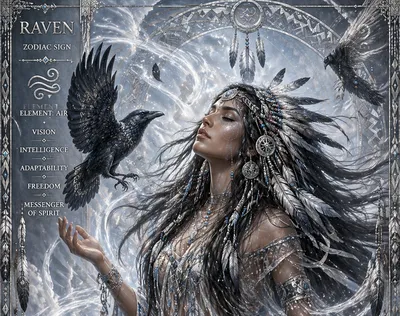
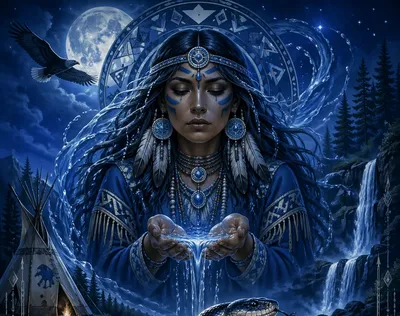
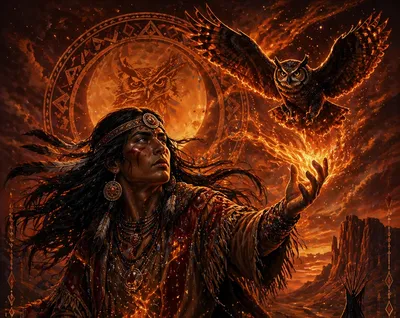
The Native American Zodiac, as presented in contemporary form, draws on the traditions of various North American indigenous peoples — particularly Algonquian-speaking nations of the northeastern woodlands — who viewed the natural world as a living spiritual system in which humans, animals, plants, and celestial forces were deeply interconnected. The Medicine Wheel, a sacred circle representing the cosmos and the cycle of life, forms the structural foundation of this zodiac.
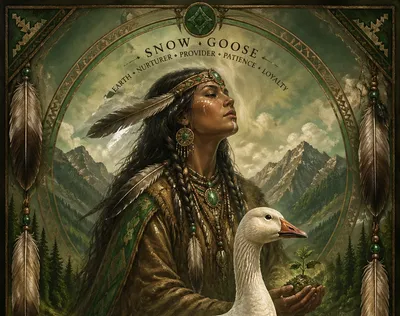
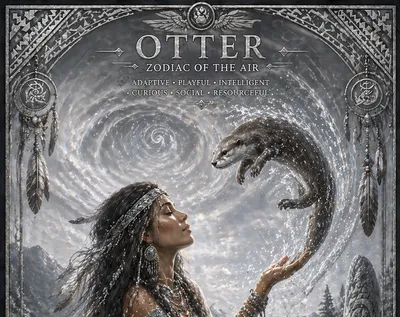
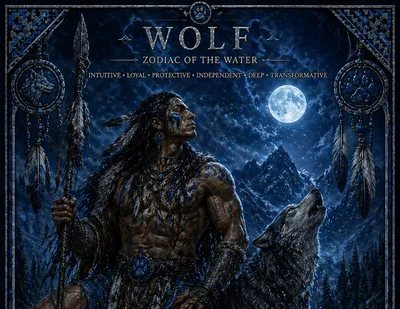
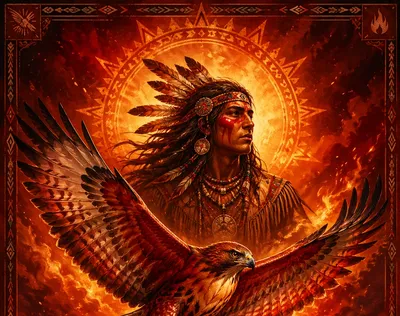
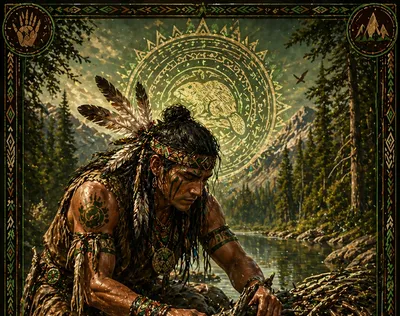
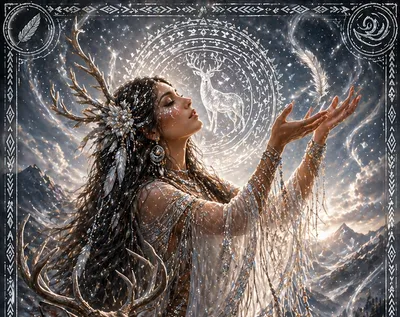
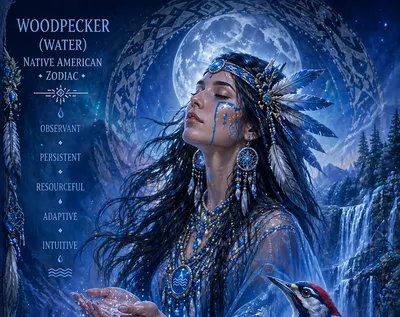
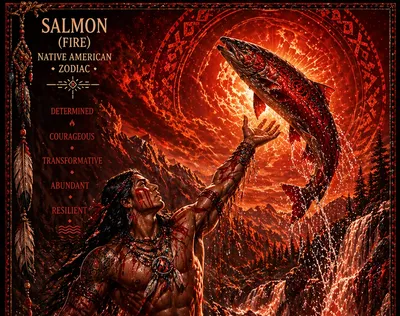
Each of the 12 signs corresponds to a Moon (lunar month) in the annual cycle and is symbolized by a totem animal whose characteristics reflect the personality of those born in that period. The signs include animals such as the Snow Goose (winter solstice), Otter, Wolf, Falcon, Beaver, Deer, Woodpecker, Salmon, Brown Bear, Raven, Snake (known as Serpent), and Elk (also called Elk or Moose depending on the tradition).
It is important to acknowledge that "Native American astrology" as a single unified system is a modern synthesis rather than a single tribal tradition. Indigenous astronomical knowledge is highly diverse across hundreds of distinct nations, each with its own cosmological framework. The 12-sign system used here is drawn primarily from reconstructions by authors such as Sun Bear and Wabun Wind in their 1980 work The Medicine Wheel: Earth Astrology, which sought to create an accessible framework rooted in Plains and Woodland traditions.