Last updated:
Anubis
Egyptian Zodiac Sign · Water · Ruled by Mythical Figure of the Dead
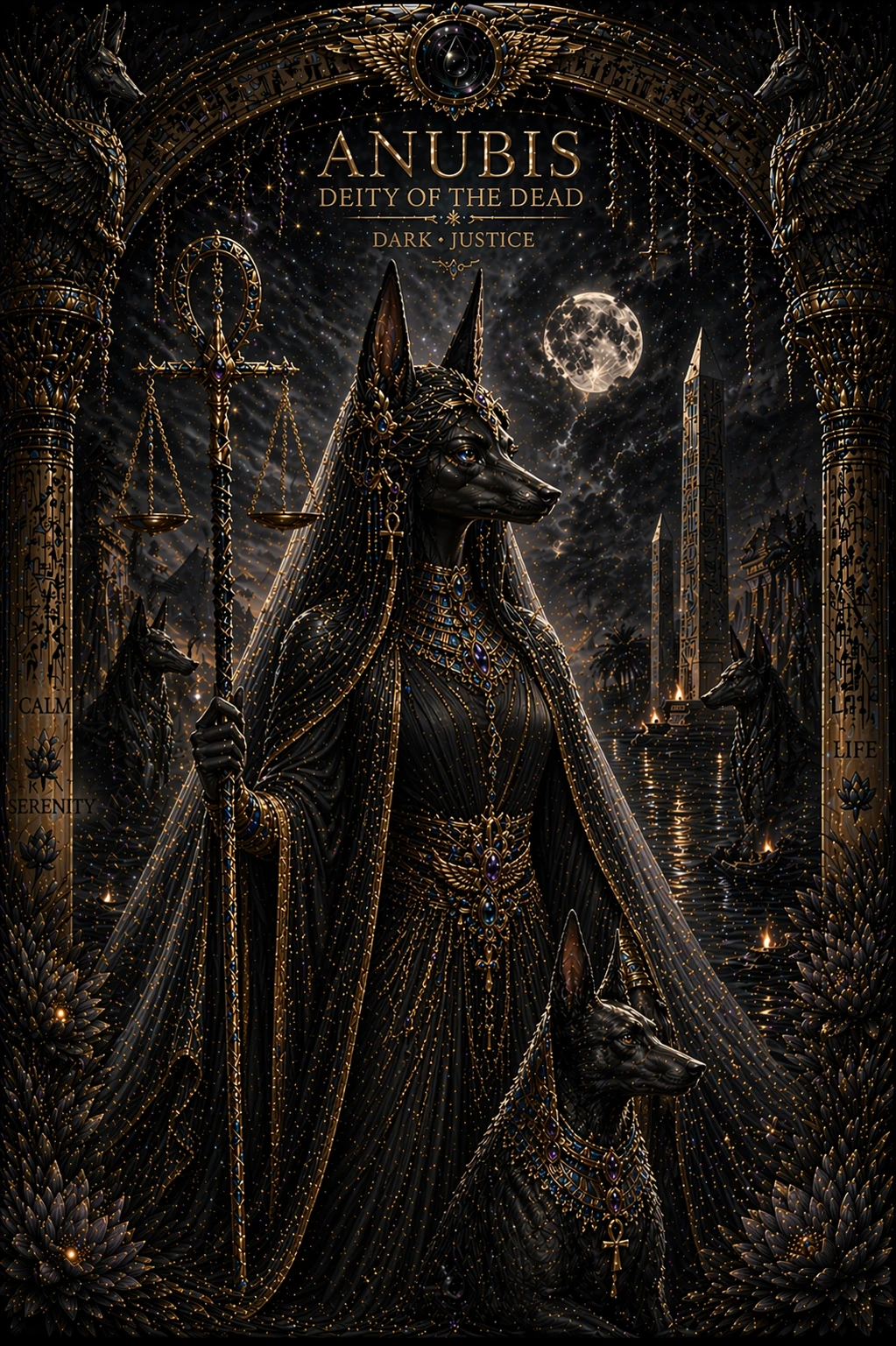 ♀
♀Anubis
Egyptian Zodiac Sign
Water
Ruled by Mythical Figure of the Dead
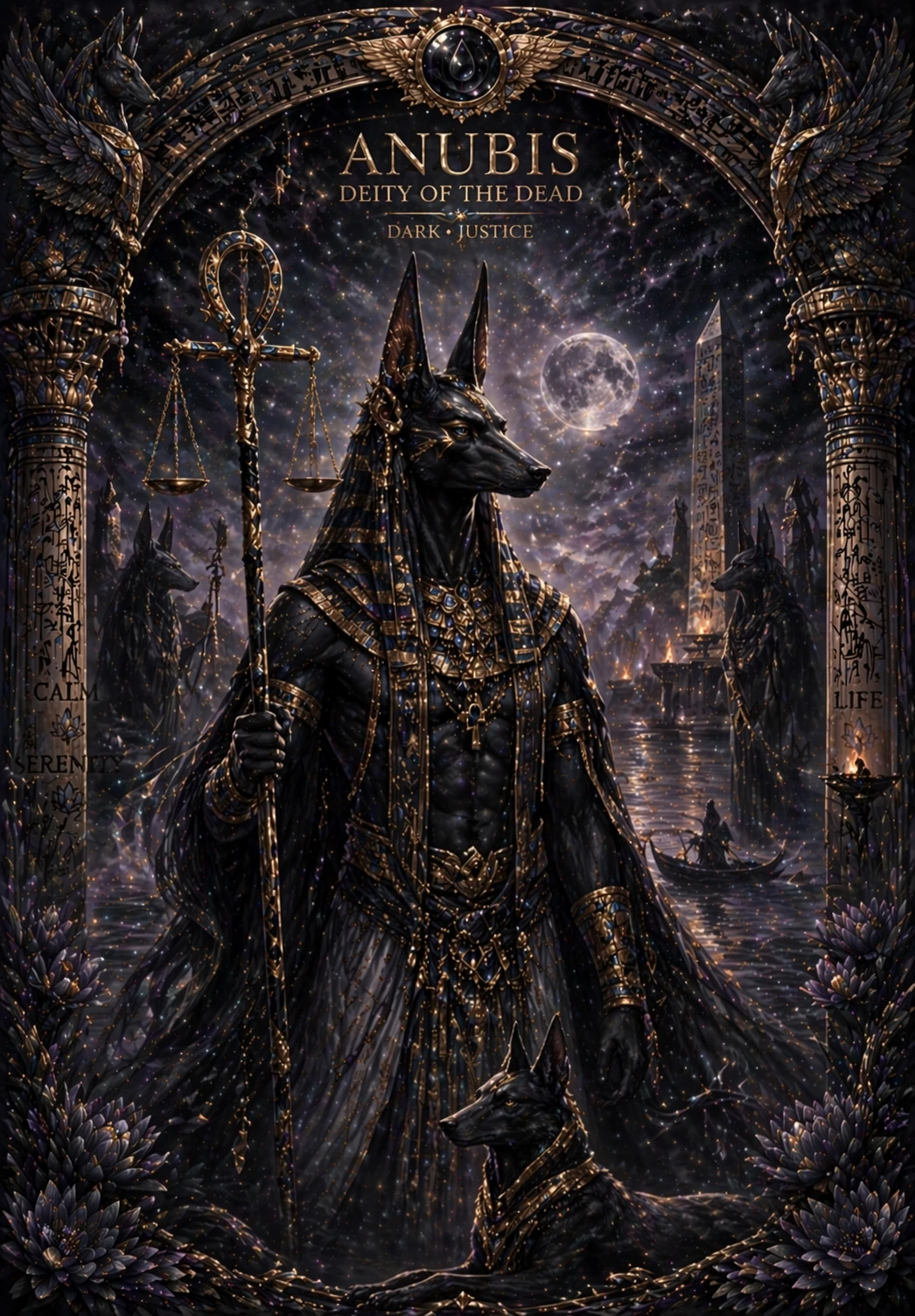 ♂
♂About Anubis
Under the watchful eye of Anubis, guardian of the underworld, these individuals navigate the depths of human emotion with extraordinary sensitivity. Their intuitive gifts make them natural counselors and artists.
Anubis people walk under the sign of the jackal-headed guardian of the dead — the god who guided souls through the underworld and stood watch at the threshold between worlds. Those born under his sign share that uncanny ability to move between the seen and the unseen, blessed with profound empathy and an intuition that reaches places logic cannot.
Anubis natives are sensitive, introspective, and deeply creative. They feel the emotions of others with rare intensity and channel that depth into art, insight, and quiet understanding. Natural counsellors, they grasp what others are afraid to say aloud, and they offer a steady, compassionate presence to those moving through grief, change, or darkness.
Their depth can pull them under. Anubis people may grow solitary or pessimistic, drawn into the darker waters of their own feeling until they lose the light. Their growth lies in surfacing — in sharing their inner world and seeking connection. When an Anubis native balances their profound sensitivity with hope, they become the compassionate guide who helps others find their way through their darkest passages.
Learn more about the origins, history, and symbolism of this tradition on the Egyptian Zodiac overview.
Anubis at a Glance
- System
- Egyptian Zodiac
- Element
- Water
- Ruling Body
- Mythical Figure of the Dead
- Compatible With
- Bastet, Isis
- Lucky Color
- Black and Violet
- Lucky Number
- 8
- Key Traits
- Empathetic, Introspective, Creative, Sensitive, Intuitive
The Anubis Personality
Anubis natives are empathetic, intuitive, and creative, with a rare gift for understanding what others conceal. Introspective and sensitive, they make natural counsellors and artists — though their depth of feeling can pull them toward solitude or pessimism.
Anubisin Love & Relationships
In love the Anubis native is devoted, perceptive, and emotionally profound, offering an intimacy that reaches the soul. They are most compatible with the charming Bastet and the wise Isis, partners who can meet their depth without being overwhelmed by it. Anubis gives loyal, understanding love and asks for emotional honesty in return; their challenge is to let light into the relationship and not retreat into solitude when feelings run deep.
AnubisCareer & Ambition
Intuitive and creative, Anubis natives excel in fields that honour depth and feeling — counselling, psychology, the arts, music, medicine, hospice and end-of-life care, and any work that guides others through transition. They bring profound empathy and insight to everything they do. Anubis does its best work where its sensitivity is a strength rather than a liability, helping others navigate the passages that frighten them most.
Mythology & Symbolism of Anubis
Anubis was the jackal-headed god who presided over mummification and guided the souls of the dead through the underworld. The Egyptians associated jackals with the desert cemeteries where the dead were buried, and so cast Anubis as their divine protector.
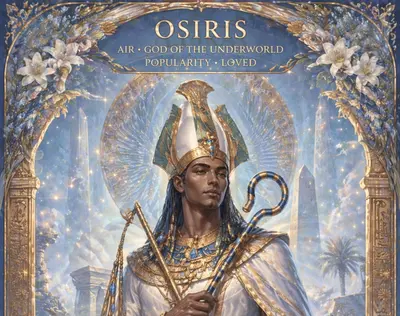
According to myth, it was Anubis who invented embalming, preserving the body of the murdered Osiris and so creating the first mummy. In the Hall of Judgment he performed the solemn "weighing of the heart," balancing the soul of the deceased against the feather of Ma'at, truth itself. As the guardian of the threshold between life and death, Anubis ensured that every soul was treated with justice on its final journey.
Key Personality Traits
Those born under Anubis are defined by a distinctive blend of personality qualities that shape how they navigate the world. These core traits, drawn from centuries of Egyptian astrological tradition, reveal the essence of this sign.
Strengths & Weaknesses
Every zodiac sign carries a duality — gifts that empower and shadow traits that challenge. Recognizing both sides of Anubis helps harness its full potential for personal growth.
✨ Strengths
Blessed with profound empathy and the ability to see between worlds. Their creative expression and intuition allow them to understand what others cannot.
⚡ Weaknesses
Can be solitary and pessimistic. Their depth of feeling sometimes pulls them into dark emotional waters.
Lucky Attributes
Ancient Egyptian astrologers associated Anubiswith specific auspicious elements. Aligning with these can help amplify the sign's positive energy.
Compatibility
Astrological compatibility in the Egyptian tradition examines how Anubis's energy harmonizes with other signs — revealing which pairings thrive together in love, friendship, and partnership.
Anubis is most compatible with: Bastet, Isis
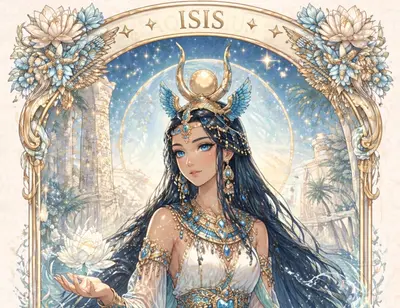 Isis
Isis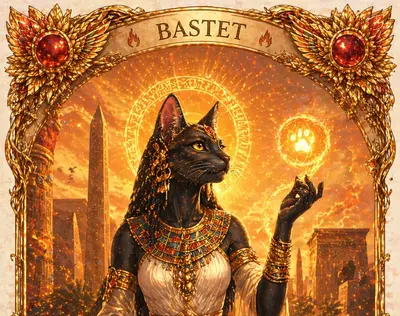 Bastet
⭐ Anubis Celebrities
These well-known personalities share the Anubis sign.
Adel Imam
May 17, 1940
Egypt's comedy king uses laughter to explore society's deepest wounds, channeling Anubis's empathetic ability to guide people through darkness with sensitivity and creative intuition.
Nancy Ajram
May 16, 1983
Ajram's emotionally intuitive vocals and sensitive artistry that resonates across the Arab world echo Anubis's gift for touching the hidden depths of the human heart.
Mohsen Makhmalbaf
June 29, 1957
Makhmalbaf's sensitive, empathetic filmmaking explores the hidden lives of ordinary people with the intuitive depth of Anubis, who sees the true weight of every human heart.
Salvador Dalí
May 11, 1904
Dalí's surreal visions of melting clocks and dreamscapes reveal the Anubis gift of seeing between the worlds of the living and the subconscious.
Bob Dylan
May 24, 1941
Dylan's introspective lyrics explore mortality, injustice, and the human soul with the intuitive depth of Anubis, the eternal weigher of hearts.
Stevie Wonder
May 13, 1950
Wonder's extraordinary sensitivity to sound and emotion — creating music that touches the soul despite physical blindness — mirrors Anubis's ability to perceive what lies beyond ordinary sight.
Frequently Asked Questions about Anubis
What dates fall under the Anubis sign?
In the Egyptian zodiac, Anubis covers May 8–27 and June 29–July 13.
Who is Anubis in Egyptian mythology?
Anubis was the jackal-headed god of mummification and guide of the dead. He invented embalming to preserve Osiris and oversaw the weighing of the heart in the underworld.
Which signs is Anubis most compatible with?
Anubis pairs most naturally with Bastet and Isis, partners who can meet its emotional depth.
🌍 Anubis Across Cultures
Anubis is unique to the Egyptian Zodiac system.
This sign is unique to the Egyptian zodiac, which assigns multiple discontinuous date windows to each mythical figure — a structure unlike any other zodiac system.
Not every zodiac sign has a direct counterpart in other traditions. Cross-system equivalence depends on shared date ranges, animal cycles, or archetypal parallels — and many zodiac systems were developed independently, with unique structural foundations that don't map neatly onto other frameworks. The Egyptian Zodiac uses a fundamentally different basis for determining signs, which means Anubis stands as a culturally distinct archetype with no direct analog elsewhere.
While there is no direct counterpart in other zodiac traditions, you can still discover how different systems interpret your birth date by exploring the systems below.
Other Egyptian Zodiac Signs
Explore Other Zodiac Systems
Discover your sign in other ancient traditions from around the world.