All Zodiac Signs
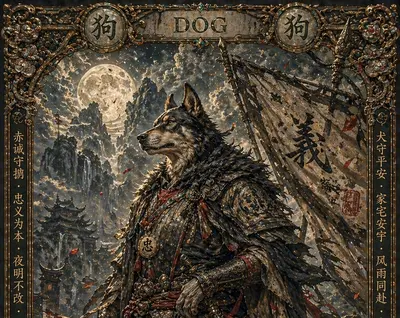
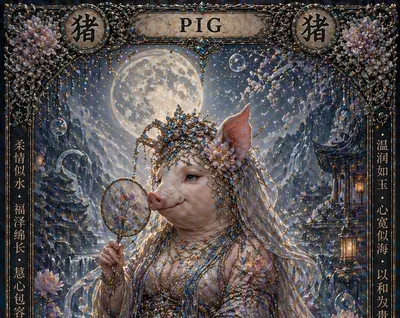
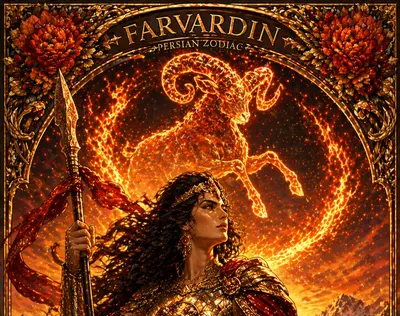
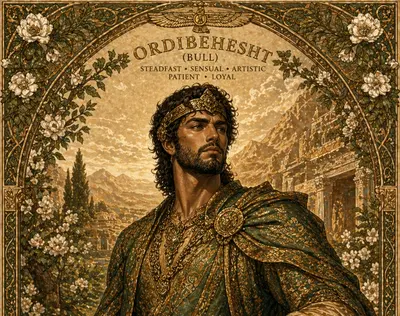
Explore 126 signs across 10 zodiac traditions from civilizations around the world.
What Are Zodiac Signs?
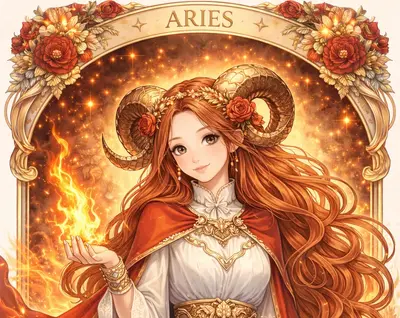
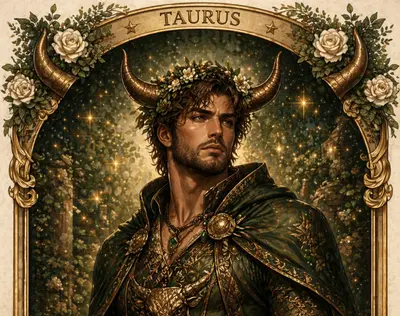
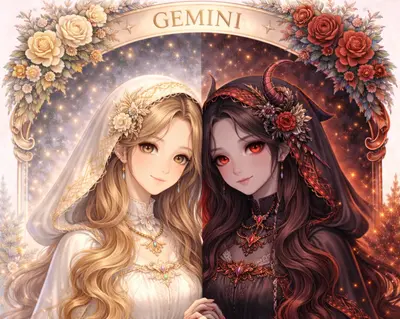
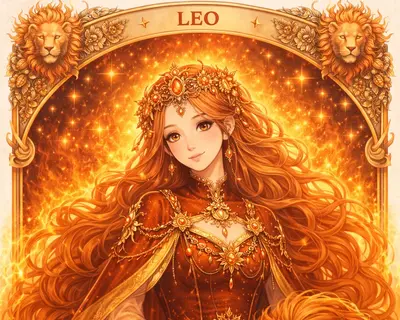
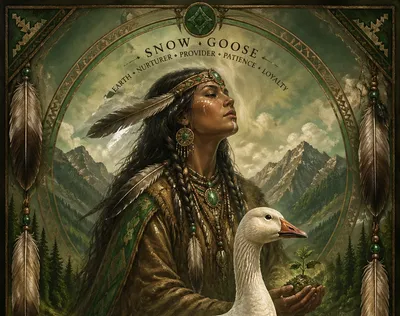
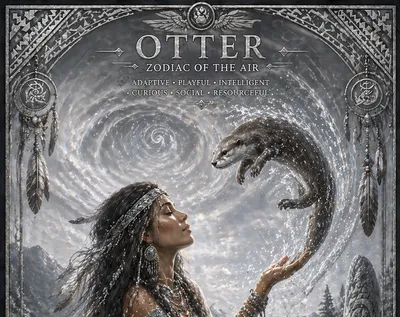
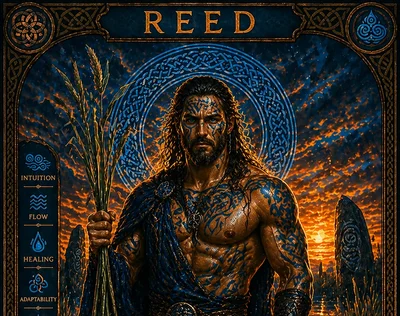
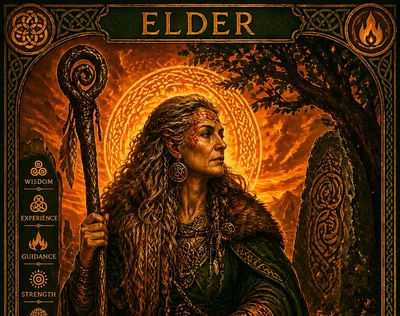
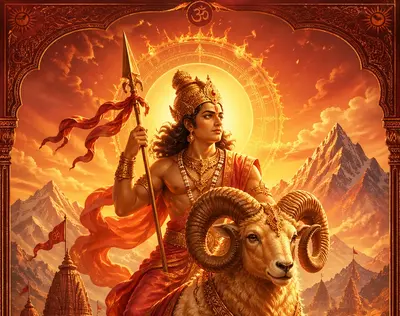
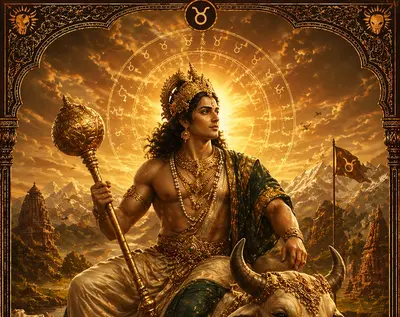
Zodiac signs are symbolic archetypes used across cultures to describe personality traits, life tendencies, and compatibility based on the circumstances of a person's birth. While most people know their Western sun sign — Aries, Taurus, Gemini, and so on — the concept of mapping celestial or natural cycles onto human character is far from unique to Europe. Civilizations on every continent independently developed their own zodiac frameworks, each rooted in local astronomy, mythology, and calendar systems.
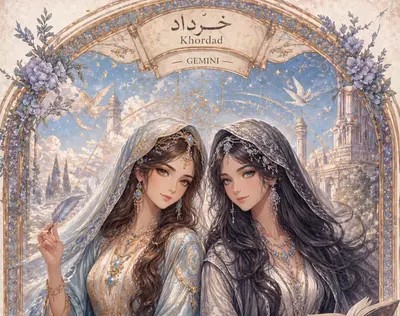
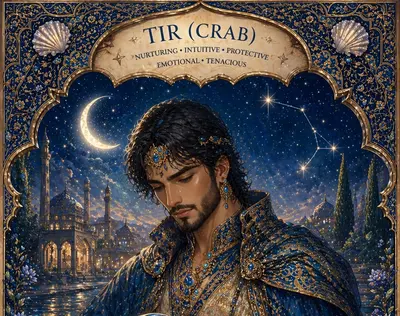
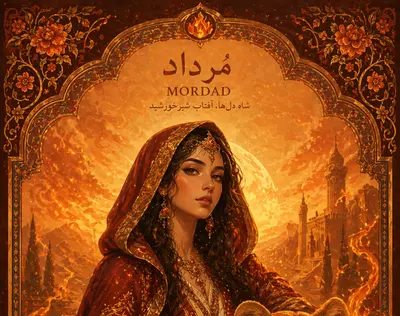
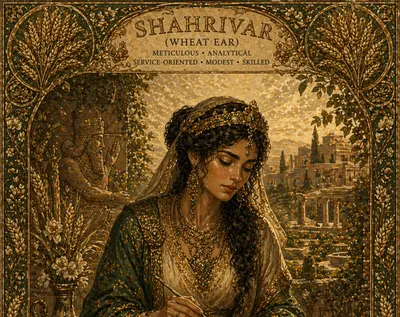
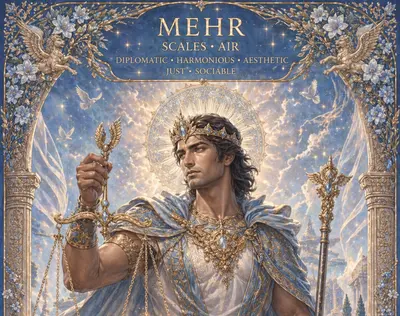
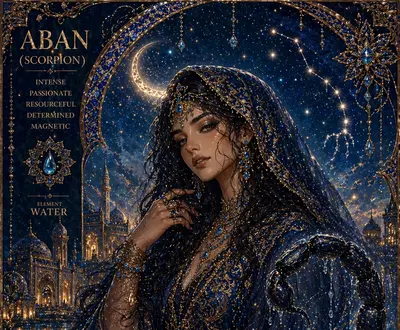
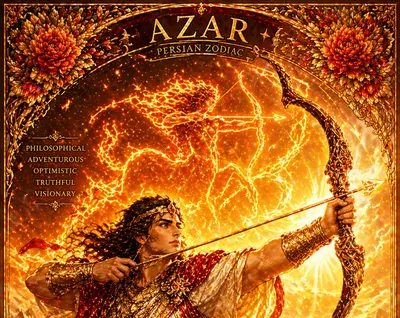
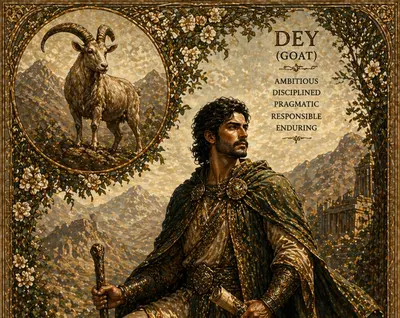
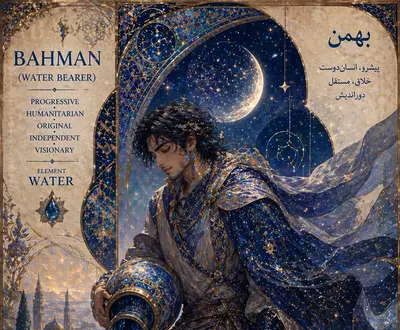
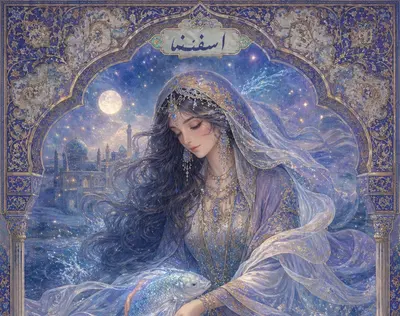
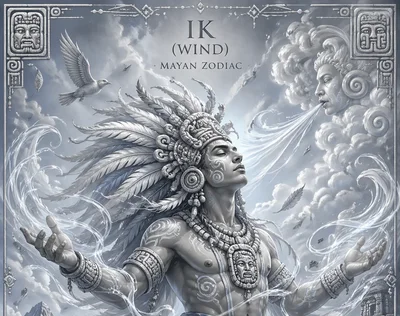
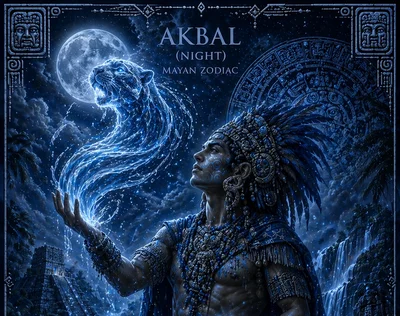
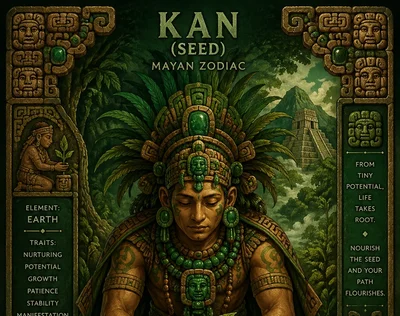
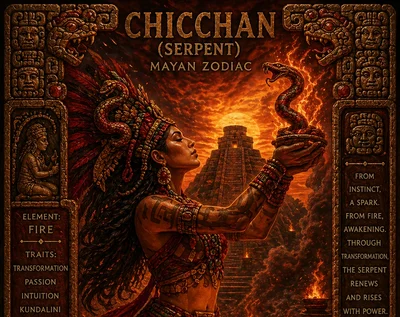
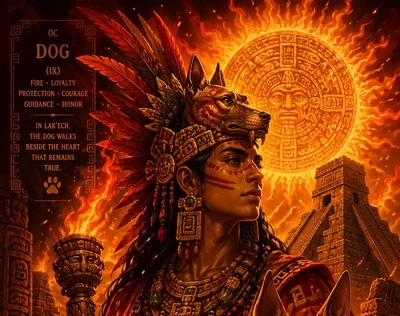
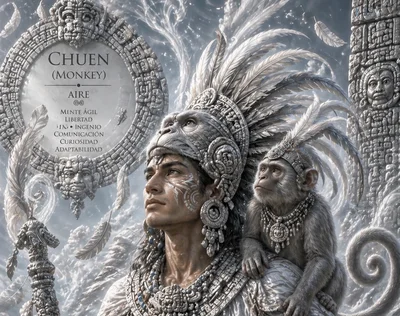
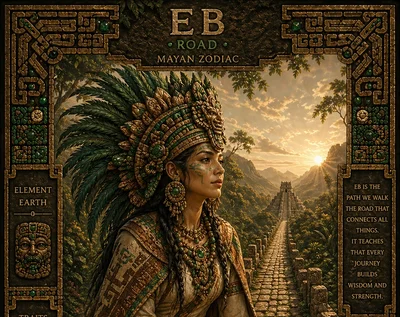
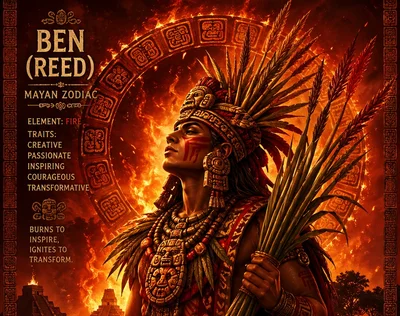
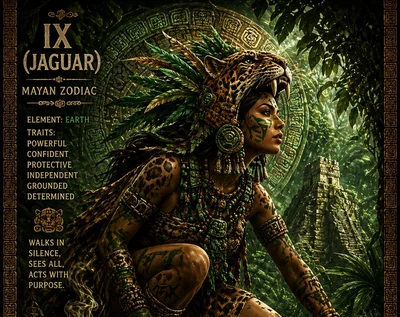
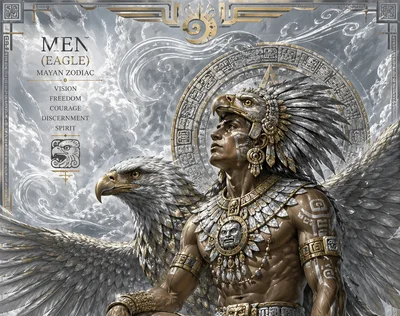
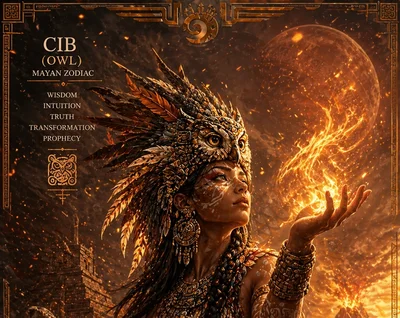
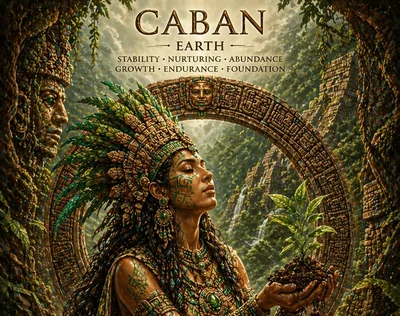
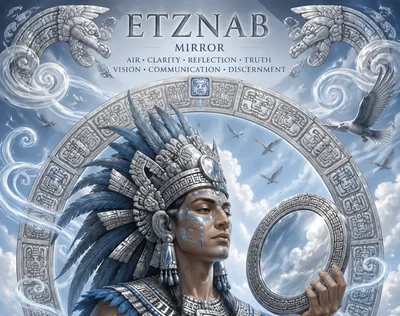
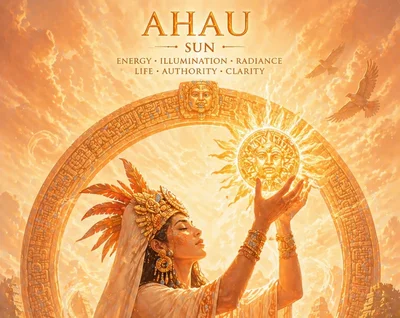
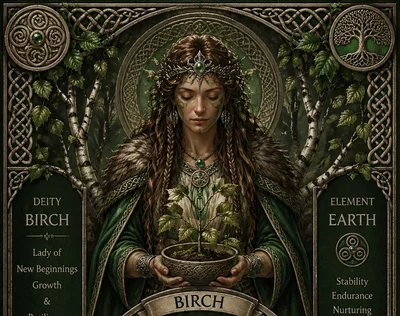
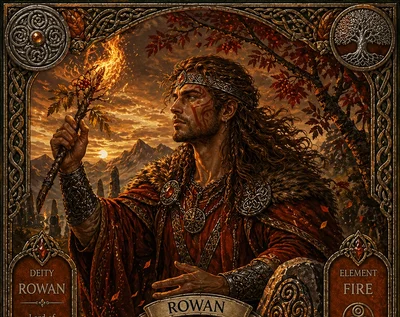
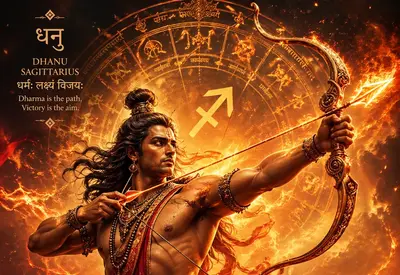
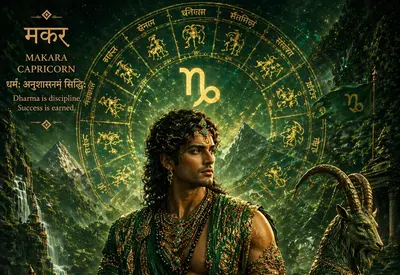
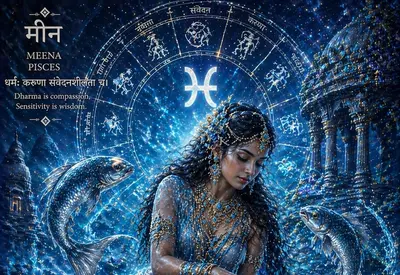
This page brings together 126 zodiac signs from 10 distinct traditions. You'll find signs determined by your birth month (Western, Egyptian, Persian), your birth year (Chinese, Japanese), lunar cycles (Celtic, Mayan), your birth day of the week (Burmese), or even vedic star charts (Vedic/Jyotish). Each system offers a different perspective on what makes you you. Browse the grid below to explore every sign in each tradition, learn their core traits and elements, and discover which signs you carry across cultures.
💡 Did You Know?
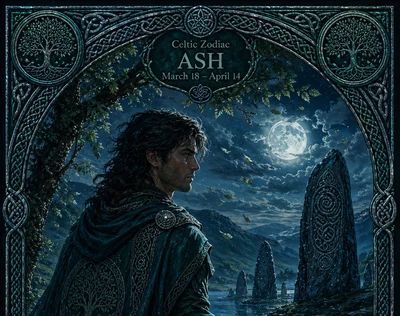
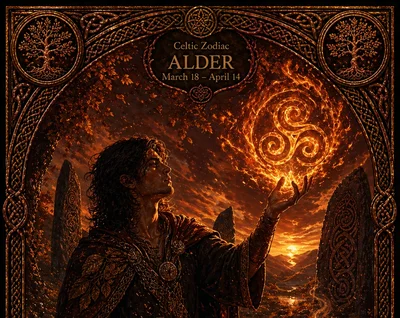
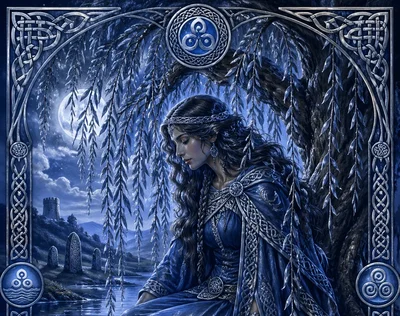
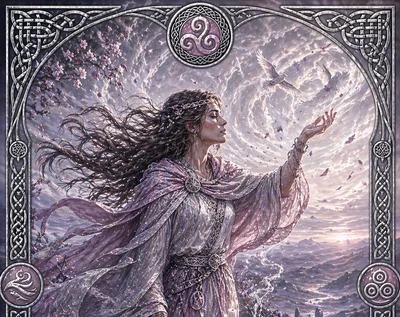
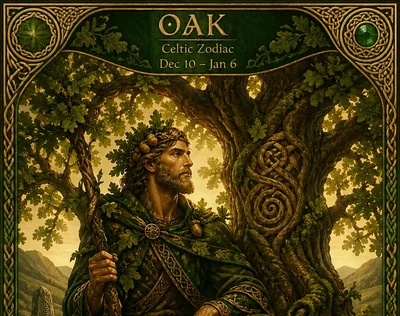
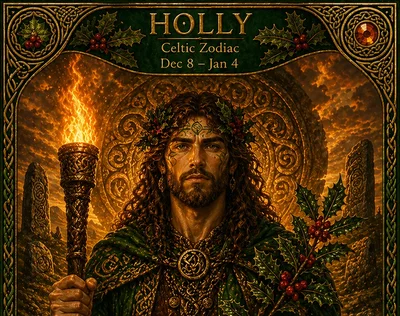
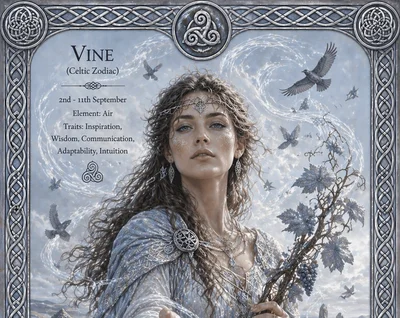
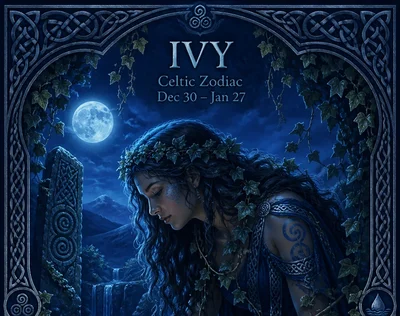
- The Celtic tree zodiac has 13 signs — one for each lunar month — while most other systems use 12.
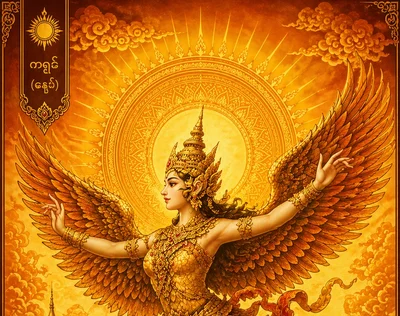
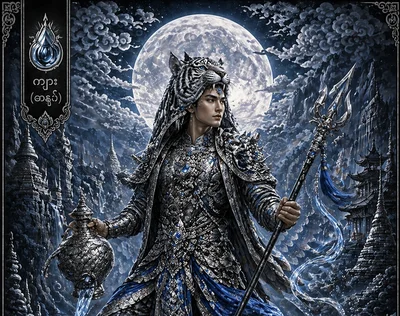
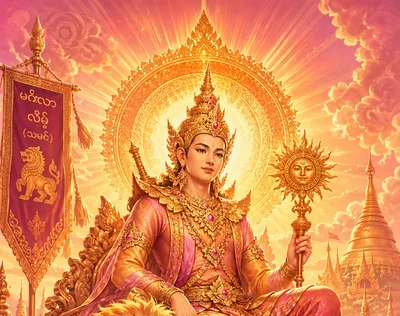
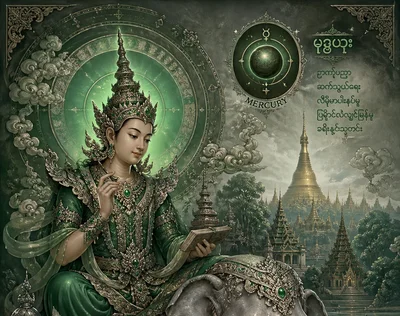
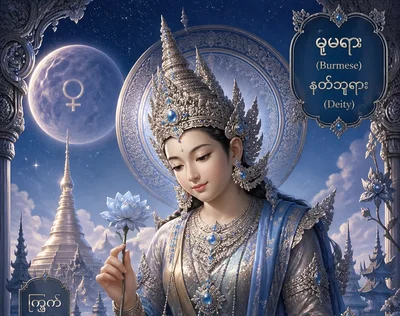
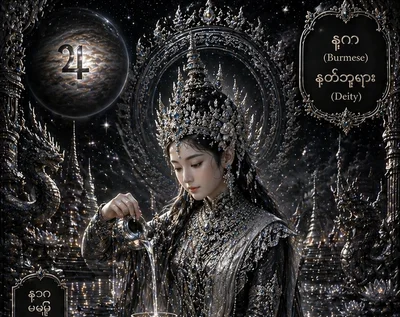
- In Burmese astrology, Wednesday is split into two signs (morning and afternoon), giving it 8 signs for 7 days.
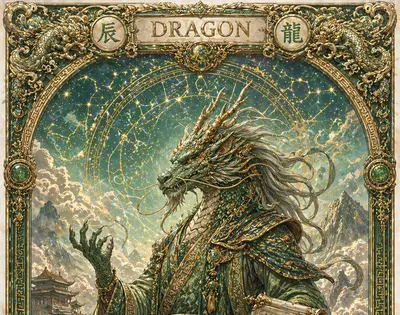
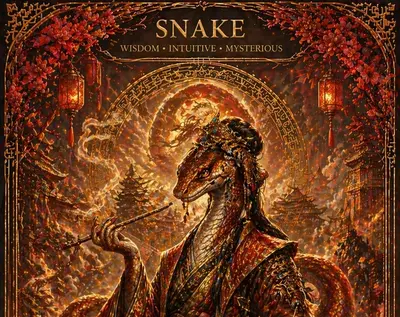
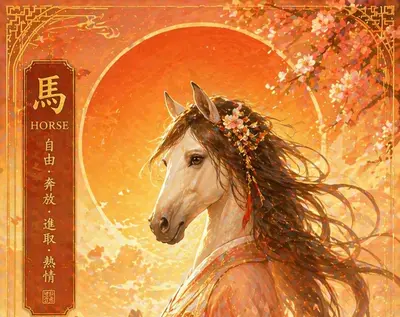
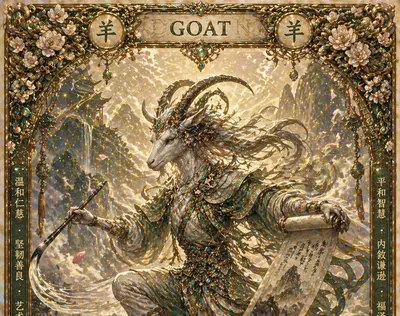
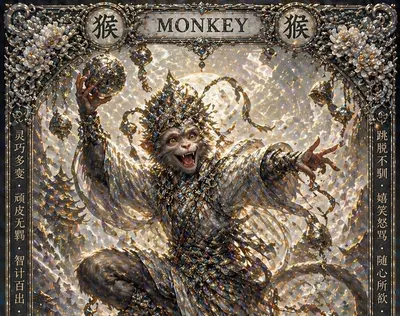
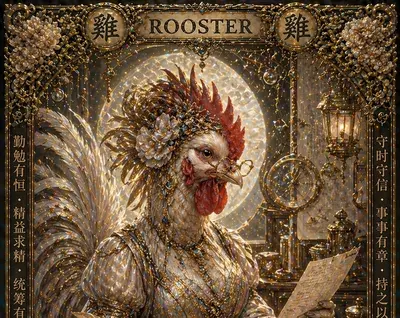
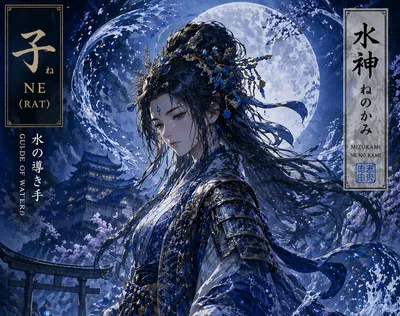
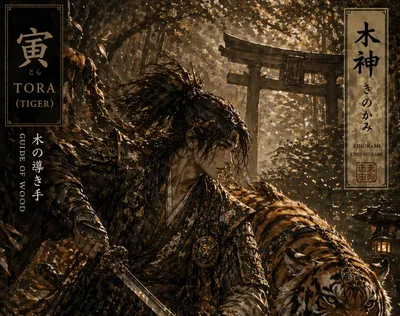
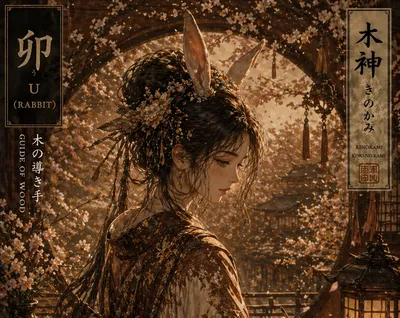
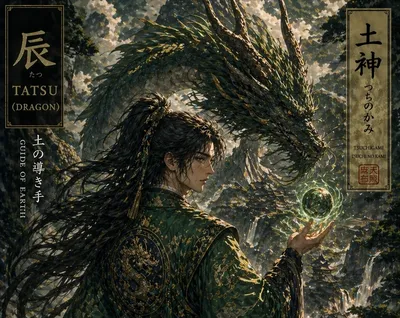
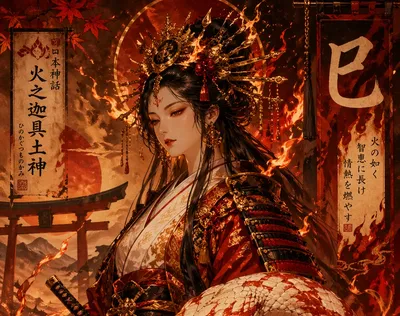
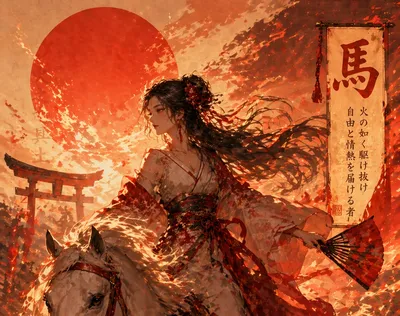
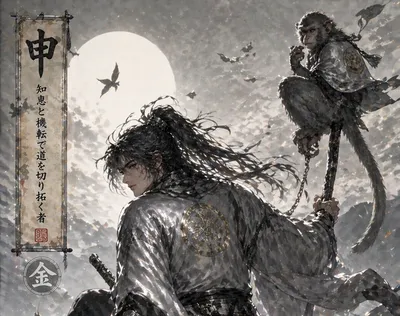
- The Chinese and Japanese zodiacs share the same 12 animals, but Japanese astrology assigns signs by birth month rather than birth year.
- Vedic (Jyotish) astrology uses sidereal calculations, which can shift your sign by nearly a full constellation compared to Western tropical astrology.
How to Use This Page
Below you'll find every zodiac sign organized by tradition. Each system is presented as a collapsible section — click any system name to expand or collapse its sign grid. Every sign card links to a dedicated detail page where you'll find in-depth personality descriptions, mythology, strengths and weaknesses, lucky attributes, celebrity matches, and cross-system equivalents.
Use the quick-jump navigation above to skip directly to a specific tradition, or scroll through all ten systems to compare how different cultures categorize and symbolize human personality. If you already know your birth date, try our homepage calculator to instantly find which sign you hold in every system at once.
Understanding Sign Classification
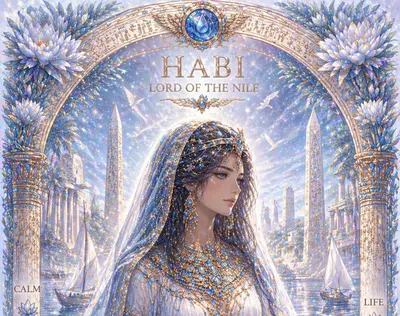
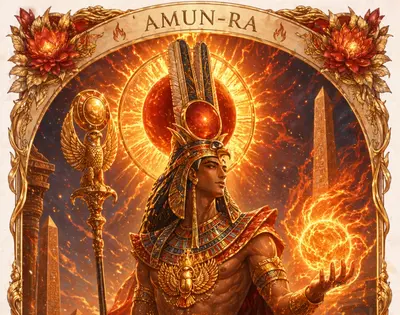
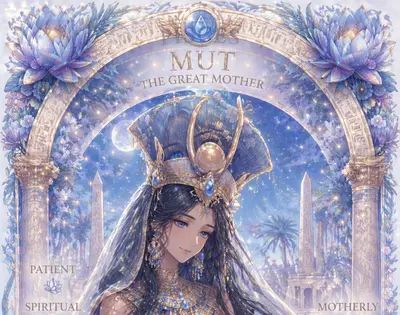
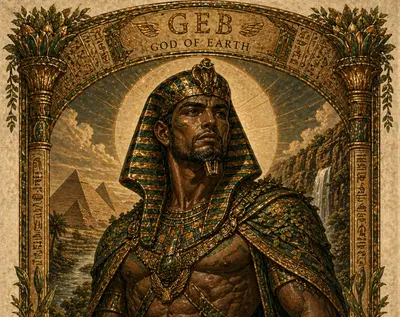
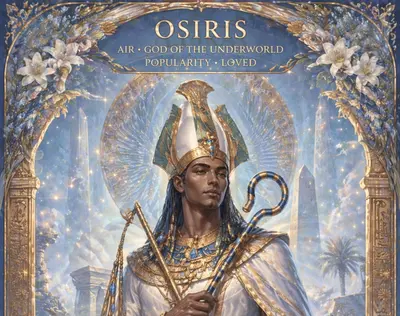
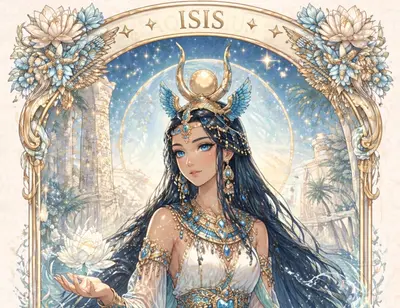
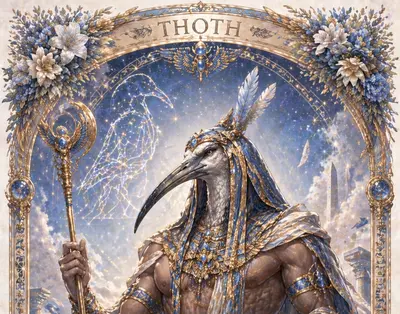
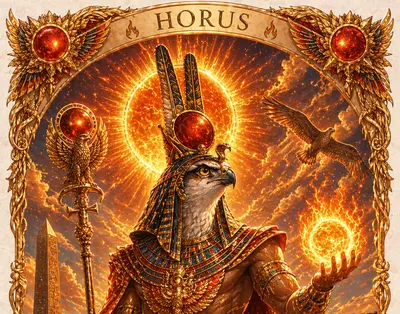
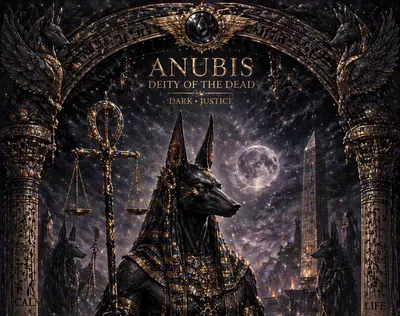
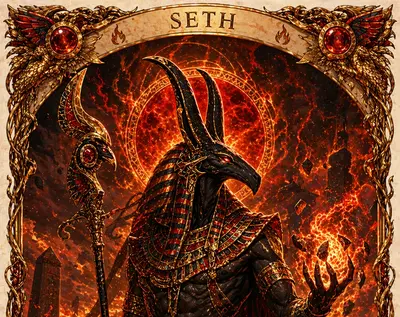
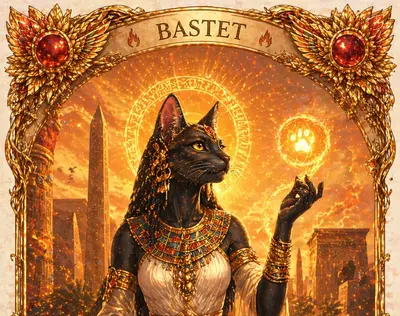
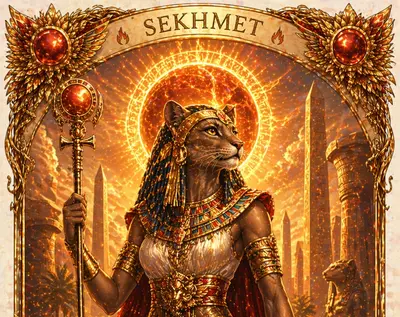
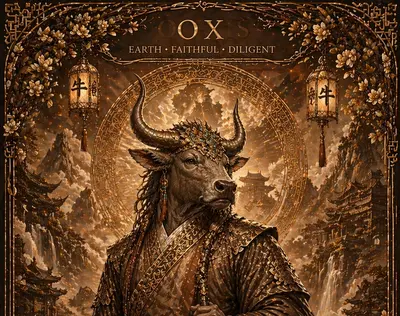
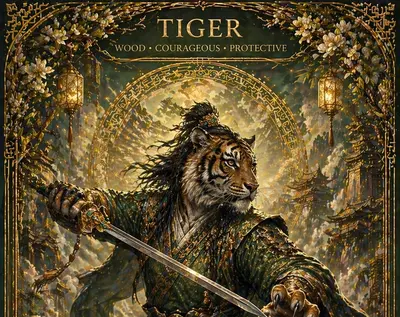
Each zodiac tradition classifies its signs using distinct organizing principles. In Western astrology, signs are grouped by element (Fire, Earth, Air, Water) and modality (Cardinal, Fixed, Mutable). The Chinese system uses Five Elements (Wood, Fire, Earth, Metal, Water) combined with Yin-Yang polarity. The Egyptian zodiac associates each sign with a deity from the ancient Egyptian pantheon, while the Celtic system links signs to sacred trees revered by the Druids.
These classification systems are not arbitrary — they reflect each culture's understanding of natural forces. Fire signs in Western astrology share traits of passion and energy; Metal signs in Chinese astrology share qualities of precision and determination. By learning how each system organizes its signs, you gain deeper insight into the worldview that created them and what they reveal about personality and character.