Last updated:
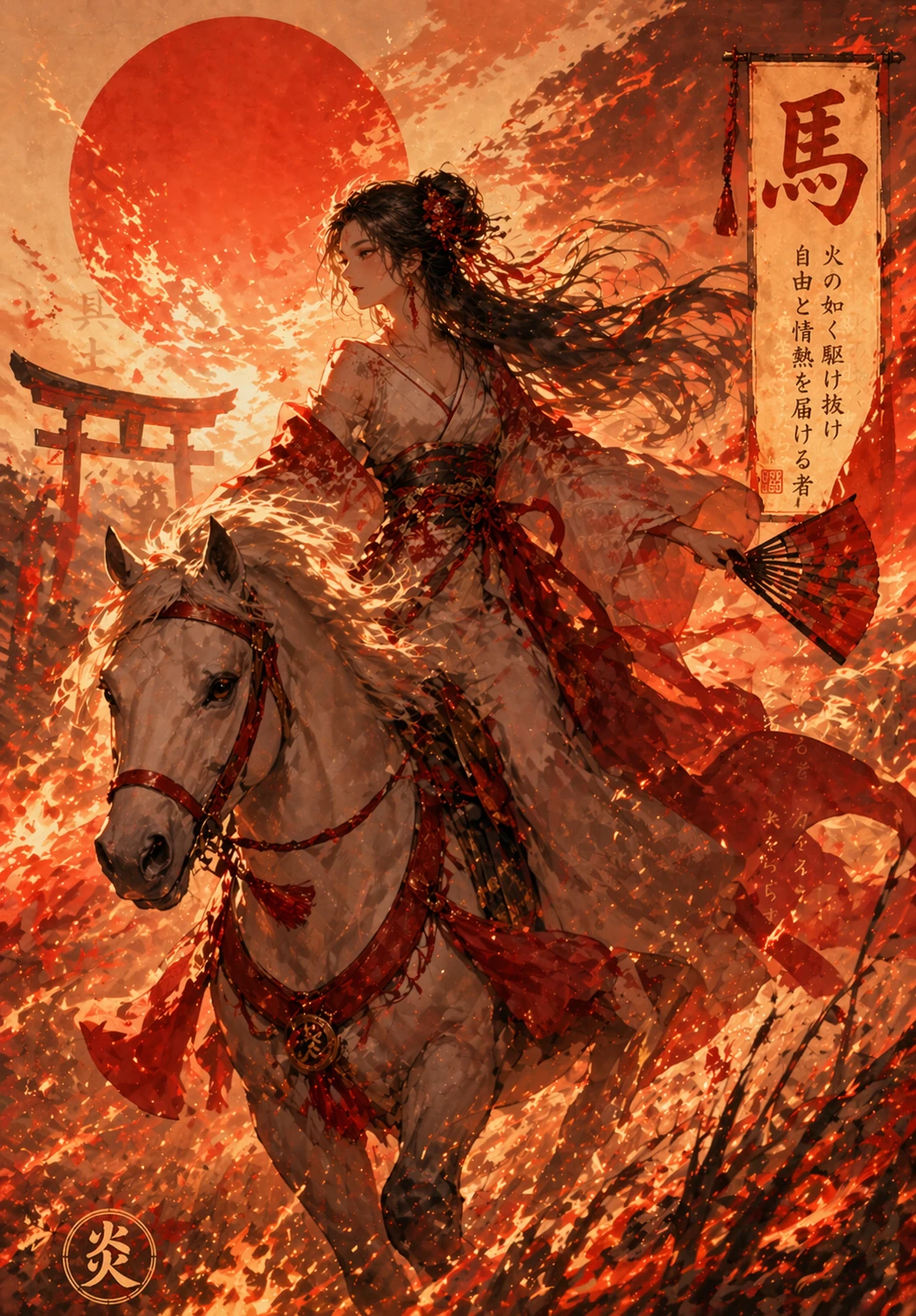
Uma (Horse)
Japanese Zodiac Sign · Fire · Ruled by Mars
 ♀
♀Uma (Horse)
Japanese Zodiac Sign
Fire
Ruled by Mars
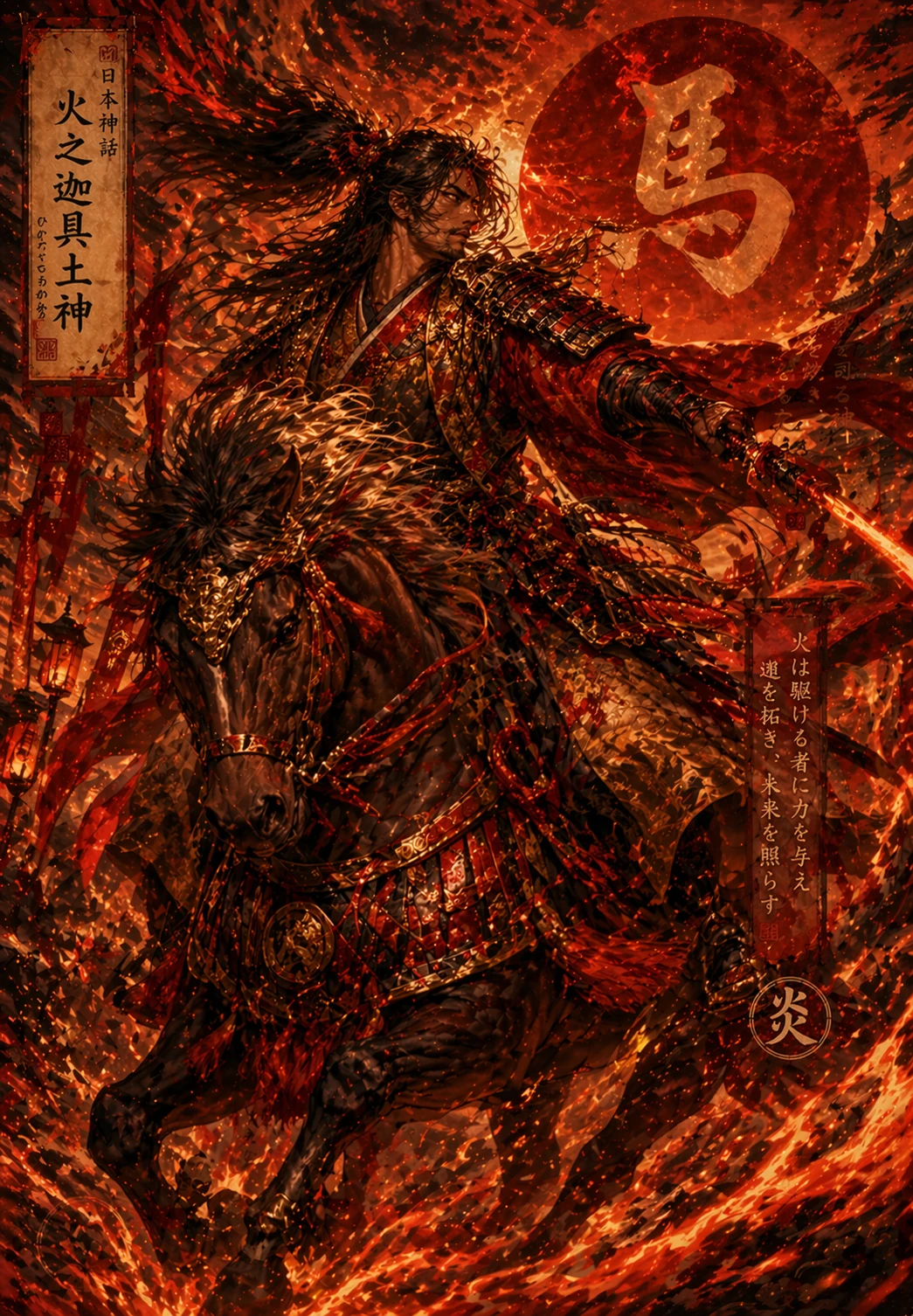 ♂
♂About Uma (Horse)
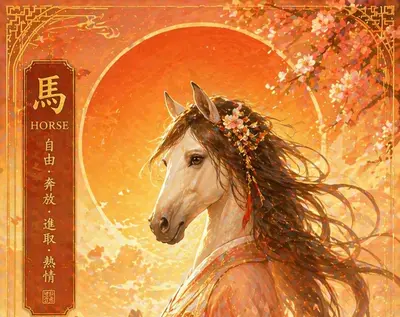
Uma, the Horse, symbolizes speed, grace, and freedom in Japanese tradition. Uma-year people are born adventurers with an irrepressible love of life. Their warm energy, quick wit, and restless spirit make them unforgettable companions.
Uma, the Horse, is the seventh sign of the Juunishi and the embodiment of spirited freedom. Horses hold a sacred place in Japanese religion: shrines once kept living shinme (sacred horses) as mounts for the gods, and when offering a real horse grew impractical, worshippers offered painted wooden tablets called ema — literally "picture horse" — which remain the votive plaques on which prayers are written today.
Uma-year people are born adventurers with irrepressible energy and infectious optimism. They light up any gathering, adapt to change effortlessly, and pursue experience with tireless enthusiasm. Freedom is their oxygen; they would rather gallop toward an uncertain horizon than stand still in comfort.
That restlessness has a cost. The Horse can be commitment-shy, impatient, and prone to bolting when responsibility hems them in. But their warmth, candor, and zest for life make them unforgettable companions who remind everyone around them to live more boldly.
Learn more about the origins, history, and symbolism of this tradition on the Japanese Zodiac overview.
Uma (Horse) at a Glance
- System
- Japanese Zodiac
- Element
- Fire
- Ruling Body
- Mars
- Compatible With
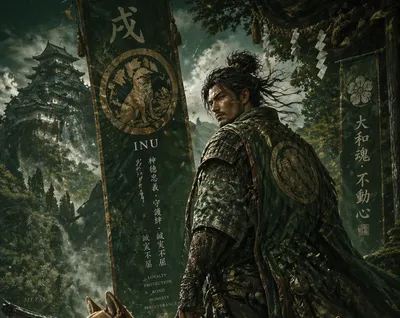
- Tora (Tiger), Hitsuji (Sheep), Inu (Dog)
- Lucky Color
- Scarlet
- Lucky Number
- 7
- Key Traits
- Spirited, Independent, Adventurous, Cheerful, Quick-minded
The Uma (Horse) Personality
The Uma personality is energetic, independent, and cheerful. They think and speak quickly, crave novelty, and chafe against restriction. Their honesty is refreshing if occasionally blunt, and their optimism is genuine. They thrive on movement, social connection, and the freedom to follow their own course.
Uma (Horse)in Love & Relationships
In love Uma are passionate, playful, and generous but need space to roam; they resist anything that feels like a cage. They click with Tora (Tiger), Hitsuji (Sheep), and Inu (Dog), signs that share their warmth or steady their restlessness. The Horse loves intensely but must choose to stay.
Uma (Horse)Career & Ambition
Uma excels in dynamic, people-facing roles — sales, travel, sport, entertainment, journalism, and entrepreneurship. They are quick learners who thrive under variety and wither in monotony. Their charisma and drive open doors, though sustained focus is the lesson they must master.
Mythology & Symbolism of Uma (Horse)
The horse's sacred status is enshrined in the ema tradition: gods were believed to descend to earth on horseback, so shrines presented live horses as offerings. Over centuries painted tablets replaced living animals, yet the name "picture horse" preserves the link between the Uma sign and divine communication.
Horses also feature in festivals such as the Sōma Nomaoi, where armored riders re-enact ancient cavalry rites. Through these customs the Uma sign came to symbolize vitality, swiftness, and the free spirit that carries prayers between humans and the gods.
Key Personality Traits
Those born under Uma (Horse) are defined by a distinctive blend of personality qualities that shape how they navigate the world. These core traits, drawn from centuries of Japanese astrological tradition, reveal the essence of this sign.
Strengths & Weaknesses
Every zodiac sign carries a duality — gifts that empower and shadow traits that challenge. Recognizing both sides of Uma (Horse) helps harness its full potential for personal growth.
✨ Strengths
Boundless energy and infectious optimism. The Uma lights up every room, adapts to change effortlessly, and pursues freedom and experience with tireless enthusiasm.
⚡ Weaknesses
Restless and commitment-phobic. Can be self-absorbed, tactless, and abandon responsibilities when wanderlust strikes.
Lucky Attributes
Ancient Japanese astrologers associated Uma (Horse)with specific auspicious elements. Aligning with these can help amplify the sign's positive energy.
Compatibility
Astrological compatibility in the Japanese tradition examines how Uma (Horse)'s energy harmonizes with other signs — revealing which pairings thrive together in love, friendship, and partnership.
Uma (Horse) is most compatible with: Tora (Tiger), Hitsuji (Sheep), Inu (Dog)
 Tora (Tiger)
 Hitsuji (Sheep)
 Inu (Dog)
⭐ Uma (Horse) Celebrities
These well-known personalities share the Uma (Horse) sign.
Yoji Yamamoto
October 3, 1943
His avant-garde all-black fashion deconstructed Western clothing and redefined Japanese design globally.
Naomi Osaka
October 16, 1997
She won four Grand Slam titles and became the world's highest-paid female athlete while advocating for mental health.
Hiroyuki Sanada
October 12, 1960
He started in Sonny Chiba's action school as a child and became one of the few Japanese actors starring in Hollywood blockbusters.
Jay Chou
January 18, 1979
The "King of Mandopop" blends Chinese classical with Western pop and has sold over 30 million albums.
Kim Yuna
September 5, 1990
The "Queen of the Ice" won Olympic gold in 2010 with a world-record score that stood for four years.
Luhan
April 20, 1990
The former EXO member holds a Guinness record for most comments on a single Weibo post with over 100 million.
Frequently Asked Questions about Uma (Horse)
Which years are Uma (Horse) years?
Recent Horse years include 2002 and 2014, with the next in 2026.
How is the Horse connected to Japanese shrines?
Shrines kept sacred horses (shinme) as mounts for the gods; the wooden ema ("picture horse") prayer plaques used today descend from offering live horses.
Which signs are most compatible with Uma?
Uma pairs well with Tora (Tiger), Hitsuji (Sheep), and Inu (Dog), signs that match its energy or steady its restlessness.
🌍 Uma (Horse) Across Cultures
Uma (Horse) has counterparts in other zodiac traditions around the world. While each culture brings its own symbolism and interpretation, these signs share deep astrological connections — whether through identical date ranges, the same archetype, or a shared animal cycle.
How Cross-System Relationships Work
Other Japanese Zodiac Signs
Explore Other Zodiac Systems
Discover your sign in other ancient traditions from around the world.