MyZodiacSigns
🏠Home
Zodiac Systems
🔮View All SystemsView All Signs
More
📝Blogℹ️About🔒Privacy✉️Contact Us
Theme
🕉️

Vedic Zodiac

Ancient India12 signs

Vedic Astrology (Jyotish Shastra), one of the six sacred disciplines of ancient Indian philosophy, uses the sidereal zodiac — aligned with the actual positions of the stars rather than the tropical seasons. Originating from the Vedas over 5,000 years ago, this system divides the sky into twelve Rashis (signs) — Mesha, Vrishabha, Mithuna, Karka, Simha, Kanya, Tula, Vrischika, Dhanu, Makara, Kumbha, and Meena — each governed by a planetary lord and connected to the five elements of Hindu cosmology. Vedic astrology places great emphasis on the Moon sign (Rashi) and the lunar mansions (Nakshatras), offering a deeply spiritual framework for understanding karma, dharma, and the soul's journey.

Make a selection to view signs
Last updated:

History & Origins of the Vedic Zodiac

Vedic astrology, known in Sanskrit as Jyotish (literally "science of light"), is one of the six auxiliary disciplines of the Vedas, the ancient sacred texts of India. Its origins date back over 5,000 years, with the earliest astrological texts appearing in the Rigveda. The system was further systematized in classical works such as the Brihat Parashara Hora Shastra (c. 600–1000 CE).

Unlike Western astrology, Vedic astrology uses the Sidereal zodiac — signs are anchored to the actual positions of constellations in the sky. Because Earth's axis wobbles slowly over a 26,000-year cycle (a phenomenon called precession of the equinoxes), the Sidereal zodiac has drifted approximately 23–24 degrees behind the Tropical zodiac used in Western astrology. This means most people have a different Vedic rising sign, moon sign, and sun sign from their Western equivalents.

Vedic astrology places particular emphasis on the Moon sign (Rashi) and the Ascendant (Lagna) over the Sun sign, and uses a system of 27 lunar mansions (Nakshatras) for more precise analysis. It remains deeply integrated into daily life across India, Nepal, and Sri Lanka, where astrological consultation is standard practice for major life decisions including marriage, business ventures, and the naming of children.

OriginAncient India
Calendar basisSidereal
Number of signs12
Key conceptNakshatras (27 lunar mansions)
Primary focusMoon sign & Ascendant

All Vedic Zodiac Signs

The Vedic Zodiac encompasses 12 distinct signs, each with unique personality traits, elemental associations, and symbolic meaning rooted in Ancient India tradition.

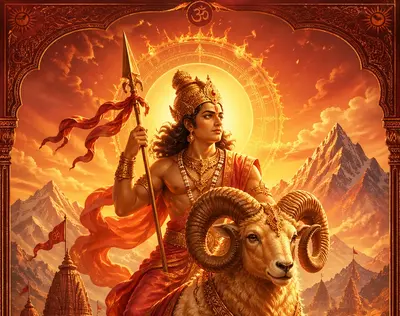
Mesha (Aries)Mesha (Aries)

Element: Fire · Ruling: Mars (Mangal)

The first rashi of the Vedic zodiac, Mesha embodies the primordial spark of creation. Ruled by Mars, these souls are here to learn the dharma of courageous action without attachment to results. This placement is based on the sidereal zodiac using the Lahiri Ayanamsa, which shifts dates approximately 23 days from the Western tropical system.

PioneeringFearlessDynamic
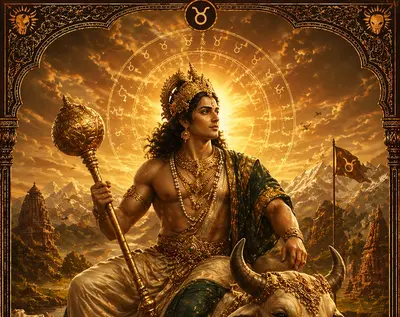
Vrishabha (Taurus)Vrishabha (Taurus)

Element: Earth · Ruling: Venus (Shukra)

Vrishabha represents the earthy stability of dharmic living. Ruled by Venus, these souls are drawn to beauty, comfort, and the finer things in life, yet their deepest purpose is to discover that true abundance comes from within. Sidereal placement based on Lahiri Ayanamsa approximation.

SteadfastSensualPatient
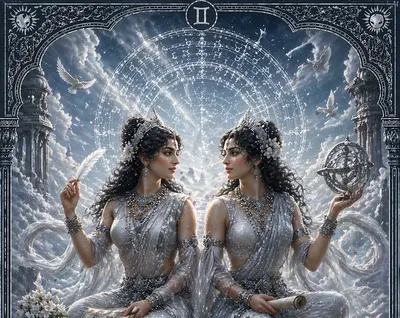
Mithuna (Gemini)Mithuna (Gemini)

Element: Air · Ruling: Mercury (Budha)

Mithuna embodies the cosmic principle of duality and communication. Ruled by Mercury, these souls are here to learn, teach, and connect ideas across vast domains of knowledge. Their karmic path involves finding unity within duality. Sidereal placement based on Lahiri Ayanamsa approximation.

IntellectualCommunicativeCurious
Karka (Cancer)Karka (Cancer)

Element: Water · Ruling: Moon (Chandra)

Karka is the rashi of emotional depth and maternal protection. Ruled by the Moon, these souls navigate life through the tides of feeling and intuition. Their karmic lesson is to nurture without possessing and to love without clinging. Sidereal placement based on Lahiri Ayanamsa approximation.

NurturingIntuitiveEmotional
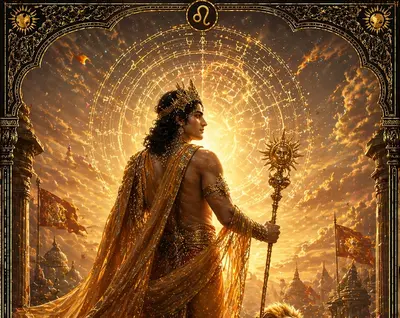
Simha (Leo)Simha (Leo)

Element: Fire · Ruling: Sun (Surya)

Simha embodies the solar principle of self-expression and sovereign authority. Ruled by the Sun, these souls are born to lead through generosity and creative power. Their dharma is to shine brightly while remembering that all light emanates from the same divine source. Sidereal placement based on Lahiri Ayanamsa approximation.

RegalGenerousCreative
Kanya (Virgo)Kanya (Virgo)

Element: Earth · Ruling: Mercury (Budha)

Kanya represents the path of purification through service and discernment. Ruled by Mercury, these souls are here to refine the raw material of experience into wisdom. Their karmic journey involves learning that imperfection is also part of the divine plan. Sidereal placement based on Lahiri Ayanamsa approximation.

AnalyticalPureService-oriented
Tula (Libra)Tula (Libra)

Element: Air · Ruling: Venus (Shukra)

Tula embodies the cosmic principle of balance and relationship. Ruled by Venus, these souls are here to learn the dharma of partnership and equanimity. Their journey involves finding inner balance so they can create outer harmony. Sidereal placement based on Lahiri Ayanamsa approximation.

BalancedHarmoniousJust
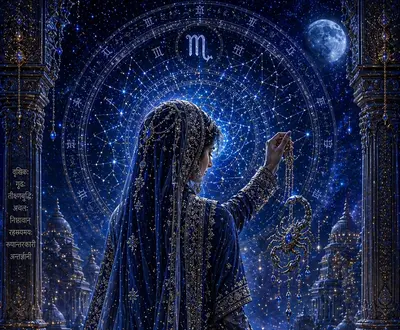
Vrischika (Scorpio)Vrischika (Scorpio)

Element: Water · Ruling: Mars (Mangal)

Vrischika represents the transformative power of kundalini and the mysteries of life, death, and rebirth. Ruled by Mars, these souls walk the razor's edge between destruction and renewal. Their dharma is to transform suffering into wisdom. Sidereal placement based on Lahiri Ayanamsa approximation.

TransformativeIntenseMystical
Dhanu (Sagittarius)Dhanu (Sagittarius)

Element: Fire · Ruling: Jupiter (Guru)

Dhanu embodies the arrow of aspiration aimed at the highest truth. Ruled by Jupiter, the great Guru, these souls are eternal students and teachers of dharma. Their karmic assignment is to seek wisdom across many lifetimes and share it generously. Sidereal placement based on Lahiri Ayanamsa approximation.

PhilosophicalOptimisticRighteous
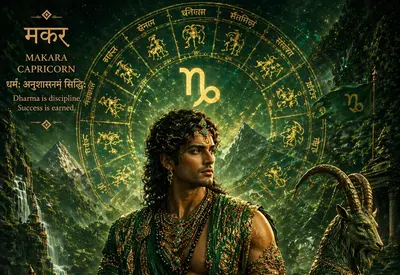
Makara (Capricorn)Makara (Capricorn)

Element: Earth · Ruling: Saturn (Shani)

Makara represents the mountain of spiritual and material achievement. Ruled by Saturn, these souls learn through discipline, structure, and the patient acceptance of limitations. Their dharma is to build enduring structures that serve both self and society. Sidereal placement based on Lahiri Ayanamsa approximation.

DisciplinedAmbitiousStrategic
Kumbha (Aquarius)Kumbha (Aquarius)

Element: Air · Ruling: Saturn (Shani)

Kumbha embodies the water-bearer who pours the nectar of knowledge for the benefit of all beings. Ruled by Saturn, these souls are here to transcend personal desire and work toward the collective good. Their karmic path is one of service to humanity. Sidereal placement based on Lahiri Ayanamsa approximation.

VisionaryHumanitarianIndependent
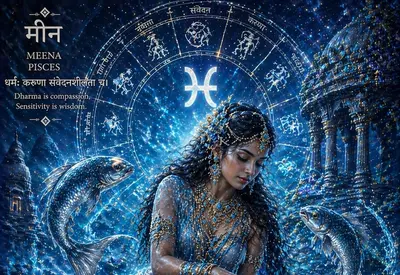
Meena (Pisces)Meena (Pisces)

Element: Water · Ruling: Jupiter (Guru)

Meena is the final rashi, representing the dissolution of the ego into the cosmic ocean of consciousness. Ruled by Jupiter, these souls are completing a great karmic cycle, learning to surrender the illusion of separateness and merge with the divine. Sidereal placement based on Lahiri Ayanamsa approximation.

CompassionateMysticalImaginative

Explore Other Zodiac Systems