Last updated:
Horus
Egyptian Zodiac Sign · Fire · Ruled by Mythical Figure of the Sky
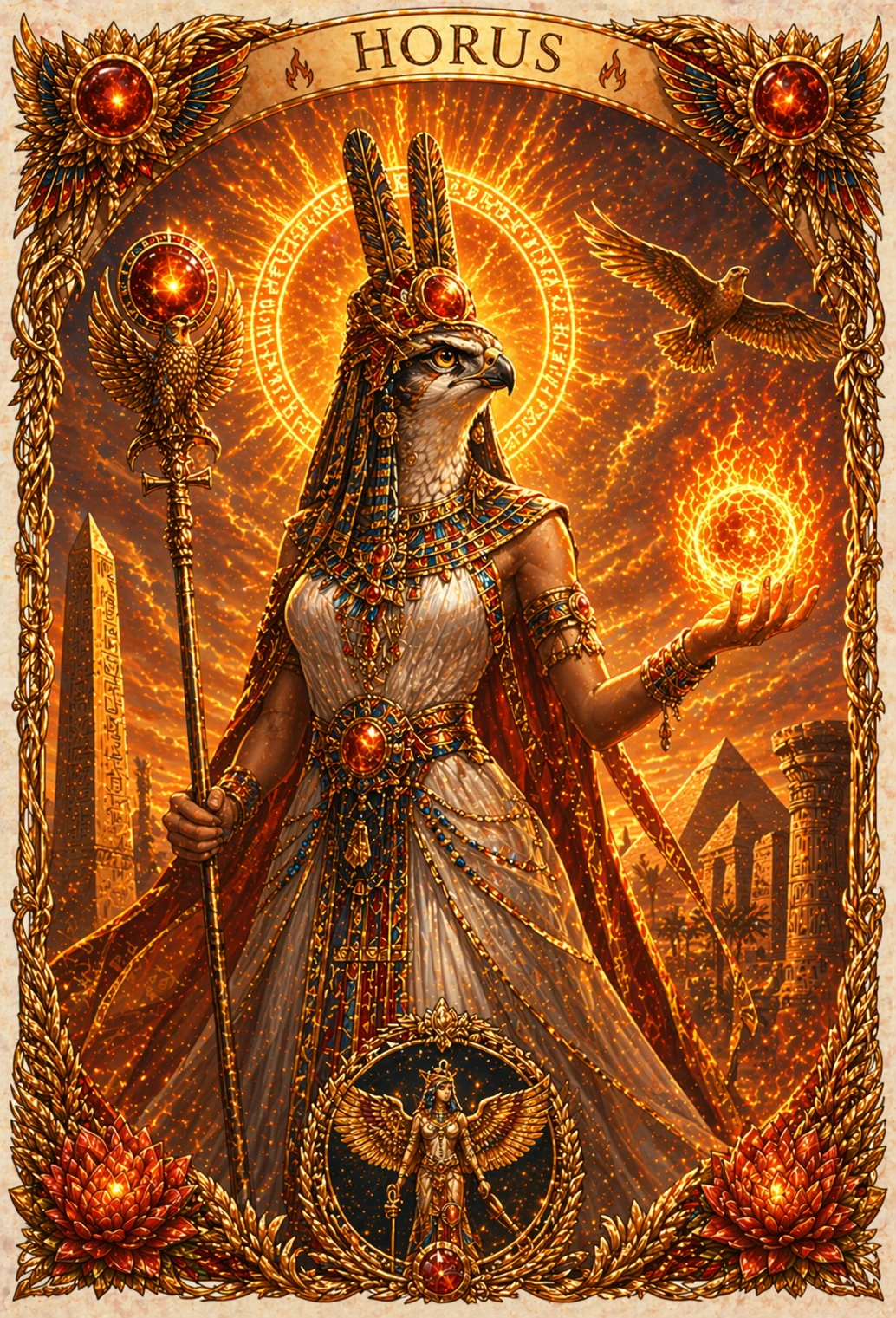 ♀
♀Horus
Egyptian Zodiac Sign
Fire
Ruled by Mythical Figure of the Sky
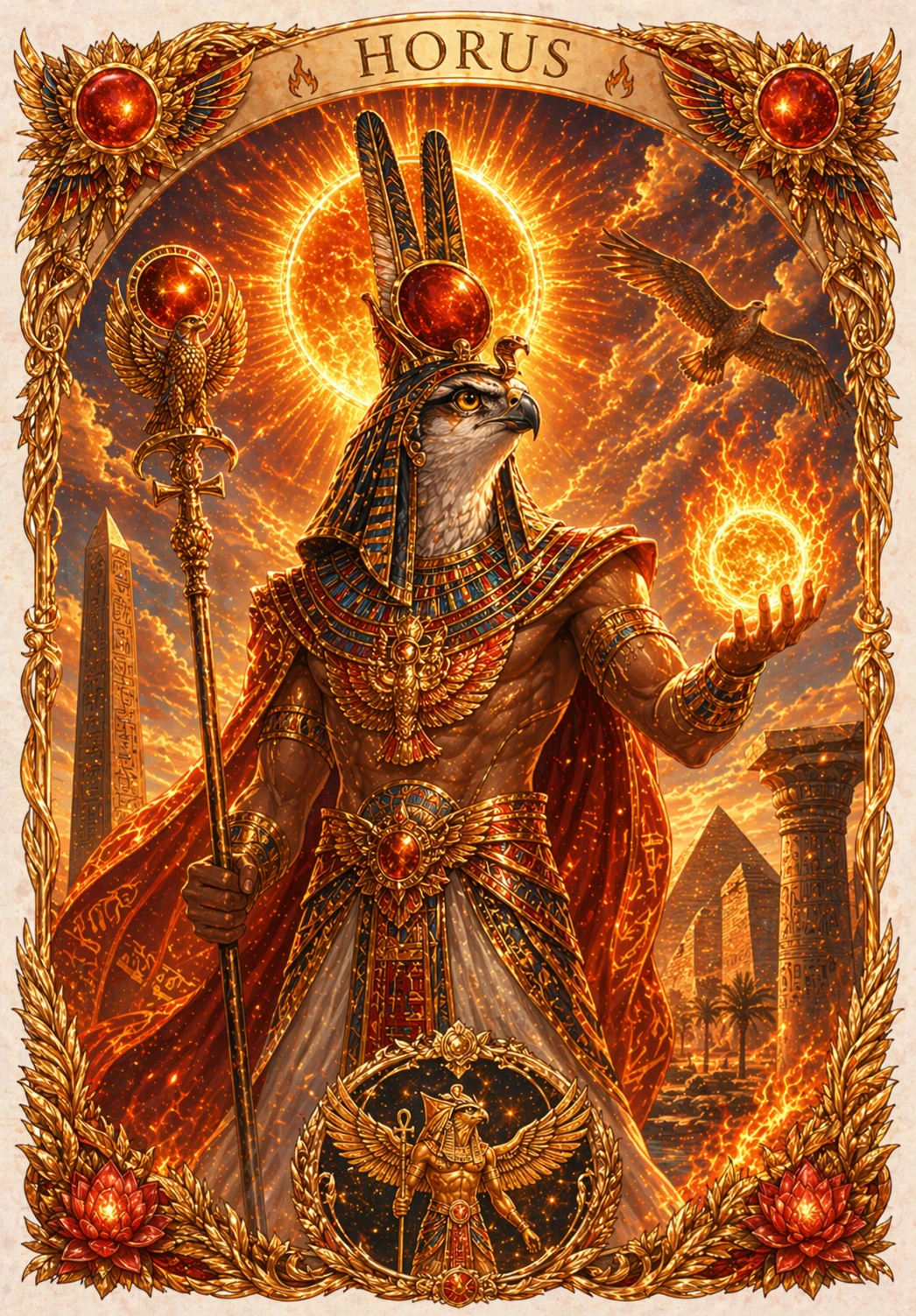 ♂
♂About Horus
Blessed by Horus, the all-seeing sky mythical figure, these individuals possess eagle-eyed vision and unwavering courage. Their ambitious nature and protective instincts make them noble guardians.
Horus people soar under the sign of the falcon-headed sky god — the divine prince who avenged his father and became the very symbol of Egyptian kingship. Those born under his sign possess the falcon's eagle-eyed vision and fearless courage, along with a soaring ambition that lifts them above any obstacle. Like the god whose eyes were the sun and moon, they see far and aim high.
Horus natives are brave, optimistic, and tirelessly hardworking. They are natural protectors who throw themselves into the defence of those they love, and their ambition is matched by genuine effort. Optimistic in the face of adversity, they keep climbing where others would give up, driven by a noble sense of duty and an instinct to guard and to lead.
Their lofty vision can lose touch with the ground. Horus people may grow stubborn or unrealistic, so fixed on their soaring ambitions that they overlook practical limits. Their growth lies in balancing vision with patience and humility. When a Horus native anchors their high-flying ambition in steady effort, they become the noble, far-seeing guardian that the ancient pharaohs aspired to be.
Learn more about the origins, history, and symbolism of this tradition on the Egyptian Zodiac overview.
Horus at a Glance
- System
- Egyptian Zodiac
- Element
- Fire
- Ruling Body
- Mythical Figure of the Sky
- Compatible With
- Bastet, Geb
- Lucky Color
- Red and Gold
- Lucky Number
- 6
- Key Traits
- Brave, Optimistic, Hardworking, Ambitious, Protective
The Horus Personality
Horus natives are brave, ambitious, and hardworking, with the falcon's keen vision and a fierce protective streak. Optimistic and noble, they rise above obstacles — though their lofty ambitions can make them stubborn or detached from practical limits.
Horusin Love & Relationships
In love the Horus native is protective, devoted, and ardent, defending their partner with a falcon's fierce loyalty. They are most compatible with the charming Bastet and the grounded Geb, whose warmth and stability balance the sky sign's soaring drive. Horus gives passionate, protective love and asks for admiration and loyalty in return; their challenge is to stay attentive to a partner's everyday needs rather than always gazing at the horizon.
HorusCareer & Ambition
Ambitious and visionary, Horus natives excel in leadership, law enforcement, the military, business, aviation, and any role that rewards courage and far-sighted vision. They are natural protectors and tireless workers who aim for the heights and inspire others to follow. Horus does its best work in positions of responsibility where its ambition, optimism, and guardian instincts can lift an entire organisation toward an ambitious goal.
Mythology & Symbolism of Horus
Horus was the falcon-headed sky god, son of Osiris and Isis, whose eyes were said to be the sun and the moon. When his uncle Seth murdered his father and seized the throne, Horus grew up to challenge him in an epic struggle for the kingship of Egypt.
In the fierce battle that followed, Horus lost his left eye, which was later magically restored — becoming the famous "Eye of Horus," a powerful emblem of protection, healing, and wholeness still recognised today. Horus ultimately triumphed and took the throne, and from then on every living pharaoh was regarded as the earthly embodiment of Horus himself.
Key Personality Traits
Those born under Horus are defined by a distinctive blend of personality qualities that shape how they navigate the world. These core traits, drawn from centuries of Egyptian astrological tradition, reveal the essence of this sign.
Strengths & Weaknesses
Every zodiac sign carries a duality — gifts that empower and shadow traits that challenge. Recognizing both sides of Horus helps harness its full potential for personal growth.
✨ Strengths
Soaring with the courage of the falcon mythical figure, Horus people are fearless protectors and tireless workers. Their optimism and ambition lift them above any obstacle.
⚡ Weaknesses
Can be stubborn and unrealistic. Their lofty ambitions sometimes disconnect them from practical limitations.
Lucky Attributes
Ancient Egyptian astrologers associated Horuswith specific auspicious elements. Aligning with these can help amplify the sign's positive energy.
Compatibility
Astrological compatibility in the Egyptian tradition examines how Horus's energy harmonizes with other signs — revealing which pairings thrive together in love, friendship, and partnership.
Horus is most compatible with: Bastet, Geb
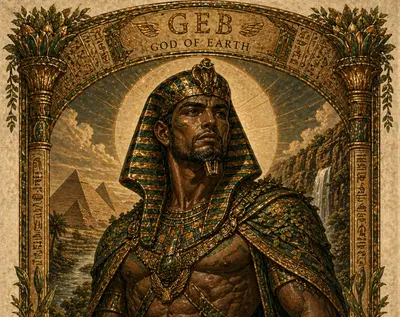 Geb
Geb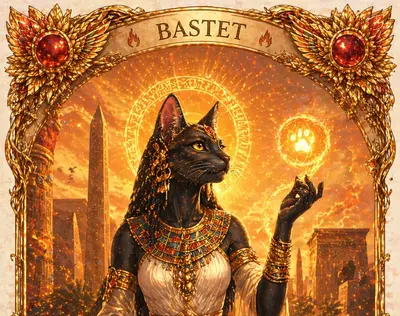 Bastet
⭐ Horus Celebrities
These well-known personalities share the Horus sign.
Hosni Mubarak
May 4, 1928
As a former air force commander who rose to Egypt's presidency, Mubarak's career path mirrors Horus's own mythology as the falcon warrior who claimed rulership of the land.
Nour El-Sherif
April 28, 1946
El-Sherif's brave embodiment of complex, heroic characters across Egyptian cinema made him a protective cultural guardian — channeling the falcon god's ambitious spirit and hardworking dedication.
Golda Meir
May 3, 1898
Meir's fierce protectiveness over her nation and her hardworking rise to leadership embody the vigilant, sky-scanning nature of Horus — always watching, always guarding.
Queen Elizabeth II
April 21, 1926
Her seven-decade reign as protector of her nation perfectly mirrors Horus's role as the divine guardian of kingship and order across Egypt.
William Shakespeare
April 23, 1564
Shakespeare's ambitious body of work — chronicling kings, ambition, and the human condition — reflects the far-seeing vision of the falcon-headed Horus.
David Beckham
May 2, 1975
Beckham's tireless work ethic and optimistic leadership on the pitch embody Horus's hardworking, protective spirit that rallies those around him to victory.
Frequently Asked Questions about Horus
What dates fall under the Horus sign?
In the Egyptian zodiac, Horus covers April 20–May 7 and August 12–19.
Who is Horus in Egyptian mythology?
Horus was the falcon-headed sky god, son of Osiris and Isis. He avenged his father by defeating Seth for the throne, and the pharaohs were seen as his living embodiment.
What is the Eye of Horus?
The Eye of Horus is the eye the god lost battling Seth and later had restored — an enduring Egyptian symbol of protection, healing, and wholeness.
🌍 Horus Across Cultures
Horus is unique to the Egyptian Zodiac system.
This sign is unique to the Egyptian zodiac, which assigns multiple discontinuous date windows to each mythical figure — a structure unlike any other zodiac system.
Not every zodiac sign has a direct counterpart in other traditions. Cross-system equivalence depends on shared date ranges, animal cycles, or archetypal parallels — and many zodiac systems were developed independently, with unique structural foundations that don't map neatly onto other frameworks. The Egyptian Zodiac uses a fundamentally different basis for determining signs, which means Horus stands as a culturally distinct archetype with no direct analog elsewhere.
While there is no direct counterpart in other zodiac traditions, you can still discover how different systems interpret your birth date by exploring the systems below.
Other Egyptian Zodiac Signs
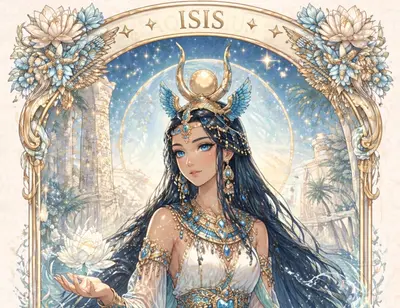
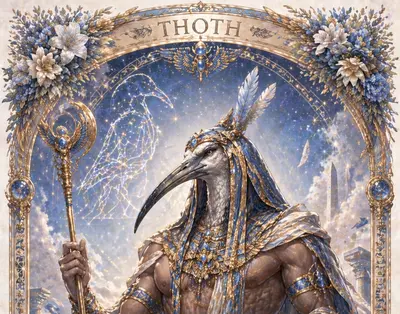
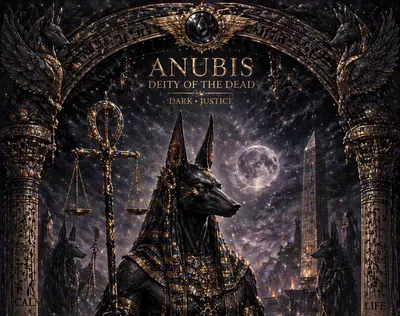
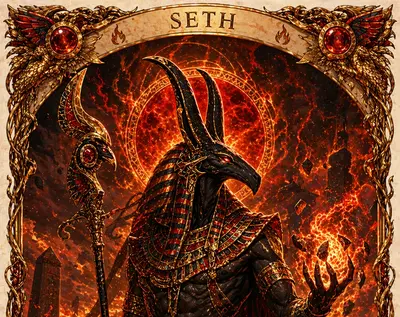
Explore Other Zodiac Systems
Discover your sign in other ancient traditions from around the world.